



Bill Snethkamp Chrysler Dodge Jeep Ram

Blog / Detroit Ram Truck Service

Blog

All Detroit Ram Truck Service Bill Snethkamp Jeep Models Places to visit in Detroit, MI Bill Snethkamp Chrysler Dodge Jeep Ram Service Food Places Highland park Highland Park Chrysler Dealer Bill Snethkamp Ram Models Dodge Models Bill Snethkamp Chrysler Models Highland Park Chrysler Service Bill Snethkamp Dodge Models Detroit Highland Park RAM Dealer Detroit Jeep Service Bill Snethkamp Chrysler Dodge Jeep Ram CDJR Dealer Wagoneer Shopping in Highland Park Engine 2026 chrysler pacifica 2026 dodge charger 2026 Jeep Inventory 2026 RAM 1500 Safety Features 2026 Jeep Gladiator 2026 RAM 2500 2026 RAM Inventory Chrysler Service in MI Highland Park Dodge Service Highland Park Jeep Dealer Hybrid Infotainment Service in MI SUV Voyager 2025 Chrysler Voyager 2026 Dodge Inventory 2026 Jeep Grand Wagoneer 2026 Jeep Wagoneer 2026 Jeep Wrangler 2026 Jeep Wrangler Inventory 2026 RAM 1500 lineup Available Vehicle Incentives and Features Churches in Highland Park Detroiet Jeep Service Dodge Durango Specifications Dodge Financing Information at Bill Snethkamp CDJR Dodge Inventory Dodge Service in MI Engine and Performance Specifications Exterior Features and Roof Options Financing Options and Procedures Highland Park Dodge Dealer Highland Park Used Cars Highland Park, MI Interior Dimensions and Cargo Capacity Interior Features and Technology Jeep Dealer in Highland Park, MI Mechanical Specifications and Performance Off-Road Equipment and Capability Safety and Driver Assistance Systems Safety Systems and Construction Transmission
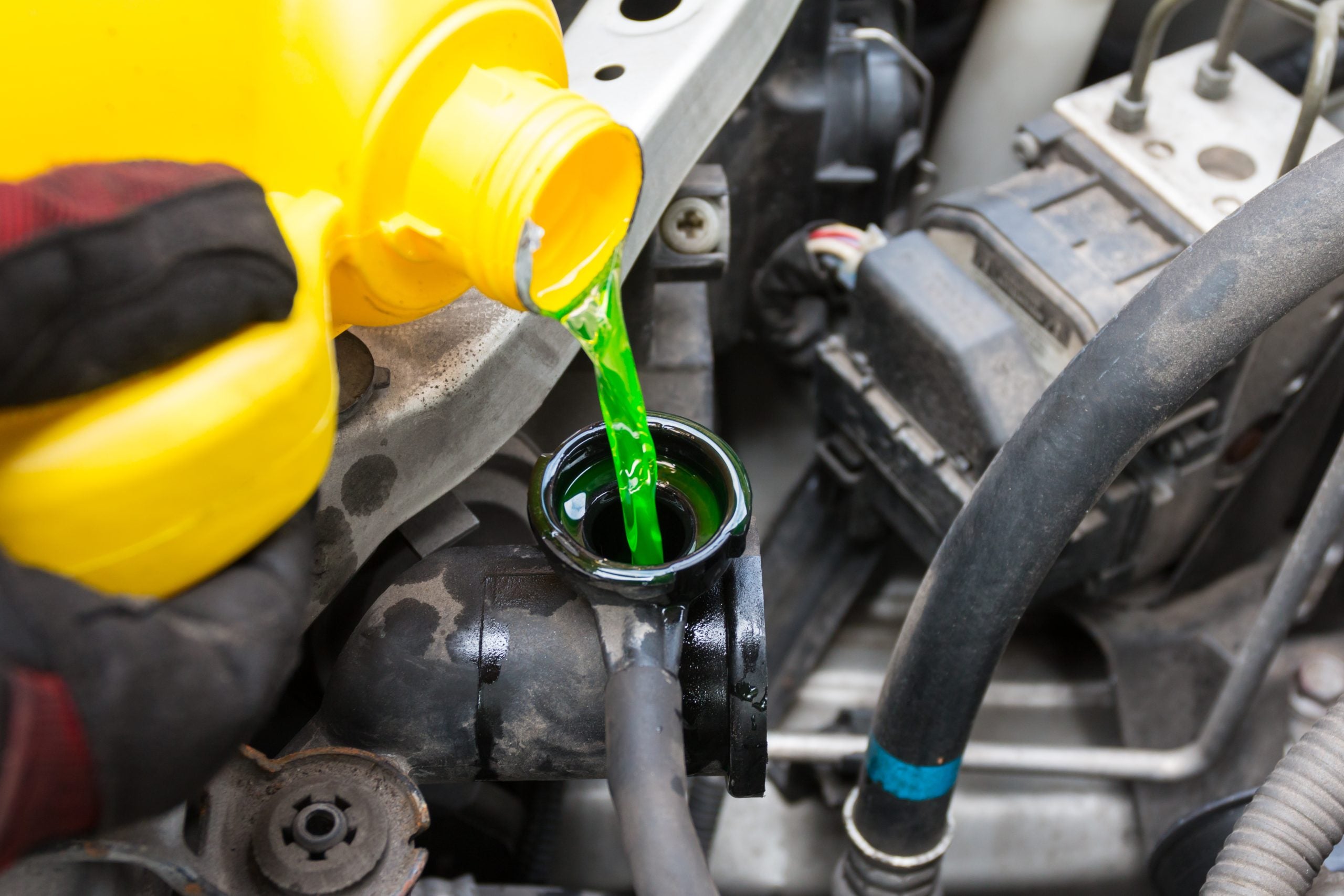
Coolant being poured into a vehicle

Scheduled Maintenance: Keeping Your Chrysler in Top Shape

Image via Bill Snethkamp CDJR. All auto components wear out in time, and your Chrysler has a maintenance schedule to ensure they're replaced before they fail. This prevents worn parts from reducing vehicle performance and potentially causing damage. As your Chrysler dealer, we want to tell you about a few examples of Chrysler maintenance that will keep your vehicle in top shape. more Regular Tire Rotations Tires are made from high-quality rubber and have reinforced tread to withstand the friction produced by driving. They also suffer additional wear and tear due to their position on your vehicle. Each tire position causes a different wear pattern due to weight distribution and wheel alignment. Regular tire rotations can reduce this type of damage. A tire rotation involves moving each tire to a different position. The positions the tires move to depend on your drivetrain. An FWD concentrates most of the weight in the front, causing your front tires to wear faster, while the reverse is true on an RWD. Shifting your tires to new positions allows them to wear down relatively evenly, extending their lifespan so you can more easily plan for their eventual replacement. Fluid Checks and Replacement Your vehicle contains numerous fluids. Each fluid performs a specific role, from keeping your engine clean and rust-free to enabling you to turn the steering wheel more easily. Some fluids, like oil, can be consumed over time, and all fluids gradually degrade and lose effectiveness. Less effective fluids can increase wear and tear on the components they service. The most important fluids in your vehicle are brake fluid, engine oil, transmission fluid, coolant, and power steering fluid. Regular fluid checks test the fluids to ensure they're in good condition and replace them if necessary. Some fluids, like oil and transmission fluid, have associated filters, and we'll replace the filters when the fluid is replaced so it will flow smoothly and cleanly. Air Filter Replacement Your engine requires vast amounts of air, as air is needed to mix with fuel to create combustion. Air enters through the radiator grille and passes into the air filter. This concertina-shaped device captures dust, dirt, and other debris so only clean air enters the engine. This is important as dirt and debris can damage sensitive engine components. In time, the filter will become clogged with dirt, restricting airflow to the engine. If your engine doesn't receive enough air, the air-fuel mix in the engine will become fuel-rich. A fuel-rich engine uses more fuel, damages the spark plugs and ignition coils, and can cause misfiring or stalling. Regular air filter replacement prevents these problems. If you'd like to know more about scheduled maintenance or book your next service, contact us today at Bill Snethkamp CDJR in Highland Park, MI.

A Jeep dashboard in black and white

Decoding Dashboard Lights on Your Chrysler, Dodge, Jeep, or RAM

Image via Pixabay. Dashboard warnings seem to light up at the most inconvenient times, but these lights provide valuable information designed to keep you safe and your vehicle running at peak performance. However, the symbols and icons can be challenging to interpret and determine which needs the most attention. Your CDJR dealer will help you with any confusion and alert you to the warnings you need to watch out for. more Green Is Good Or at least, it is not bad. The green icons on your dashboard provide information about your vehicle that is not of concern, such as letting you know that your cruise control is on. Yellow Announces Concern A yellow icon on your dashboard is the system's way of letting you know that there is a concern that should be addressed as soon as possible but is not yet an immediate danger. Following up with these yellow warnings with your dealer or certified mechanic is important. Red Is Bad Red means stop. When the red icons appear on your dashboard, pay attention. You need to stop the vehicle as soon as it is safe to do so. And you should get your vehicle to a certified mechanic as soon as possible. Reach out to Bill Snethkamp CDJR for help when the red icons appear. Blue Reminds The one blue light is the high beam indicator, which informs you that your high beams are currently on. Get Help from Your CDJR Dealer Your Chrysler, Dodge, Jeep, or Ram's warning systems help protect you and extend the life of your vehicle. Contact your dealer for clarification about whether the light is a routine indicator, a simple system indicator, or something more serious. At Bill Snethkamp CDJR, we provide exceptional service from our highly qualified technicians for new and used car customers. We are here to help you with all your dashboard light dilemmas, from ordinary maintenance to major repairs. Some Warning Lights Not to Ignore Any time your light includes an exclamation point, pay attention no matter what color the light. Otherwise, these are some of the lights that can indicate serious problems: Engine temperature Oil pressure Brake system Airbag fault Battery charge Tire pressure Transmission temperature Maintenance reminder Crucial Warning Lights Engine check symbol Powertrain fault ABS warning Traction control system malfunction Your vehicle's warning lights should always be addressed as soon as possible. When your dashboard icons have you wondering, visit us at Bill Snethkamp Chrysler Dodge Jeep Ram, 16400 Woodward Ave., Highland Park, MI 48203.

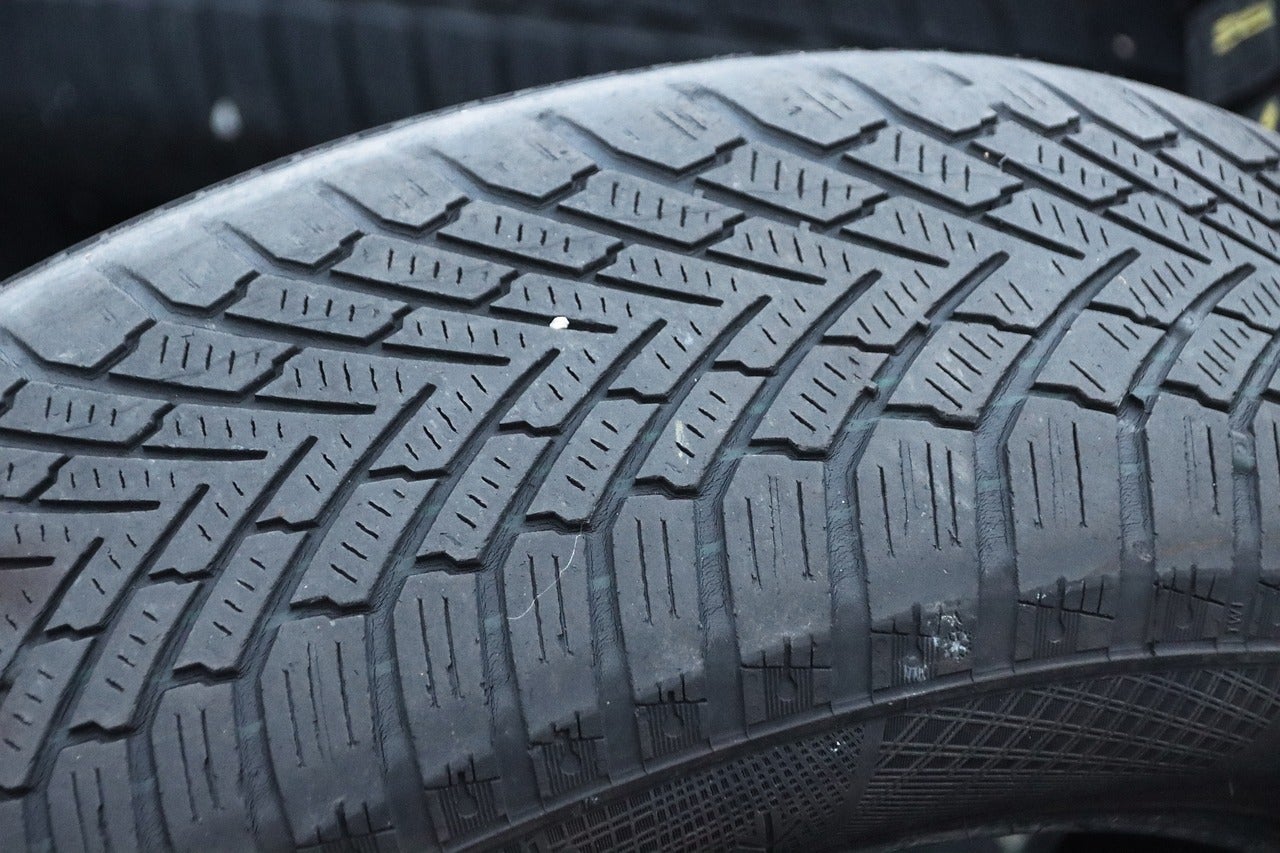
A Close-up Textured photograph of a tire

Replacing a Flat on Your CDJR Vehicle

Image via Pixabay. ​​​​​​​​​​​​​​​​​​​​Changing a flat tire isn't as complicated as it looks. It just takes a little time and know-how. As your CDJR dealer, we'd like to tell you the simple steps to quickly and easily replace your tire. more Find a Flat Space If your tire fails while you're driving, you'll need to pull over to replace it. Scan the area for a likely space that's out of the path of traffic. Good locations include the emergency lane on a highway, a strip mall parking lot, or any other flat area. Make sure that your car won't block any traffic. Switch On Your Lights Once you've switched off the engine, raise the emergency brake and switch on your indicator lights. You can also raise your hood. These are universal signs other drivers will recognize that your car is stationary, so they'll automatically slow down and avoid you. Find The Tools You'll need your spare, a lug wrench, and a jack. The tools will usually be stored in the trunk, and your spare will be under the carpet in the trunk, on the roof, or underneath the vehicle. Loosen the Lug Nuts Use the lug wrench to loosen each nut. These nuts are securely tightened, and you'll have to apply force to loosen them. The easiest way to do this is to attach the wrench to a nut and then press down on the wrench with your foot. Don't remove the nuts yet: just loosen them enough so they can easily be turned by hand. Position the Jack Look underneath your vehicle for one of the flat reinforced sections designed as lifting points. Once you've found the closest one to the flat, position the jack and lift your vehicle high enough that the flat touches the ground. Change The Tire Unscrew the lug nuts, then lift the flat off the wheel hub. Position the spare on the wheel hub and rotate it until both sets of holes line up. Once this is done, screw the lug nuts back on by hand as tightly as you can. Lower Your Vehicle Use the jack to lower your vehicle to the ground, then use the wrench to tighten the nuts as securely as possible. Your tire has been successfully changed, and all that's left to do is pack away your tools and the flat before you drive away. If you have a regular-sized spare, you can continue to drive normally. If your spare is a space-saving tire, don't drive over 50 mph or for more than 50 miles before you replace it. Head on over to us at Bill Snethkamp CDJR in Highland Park, MI, to get your replacement tire.

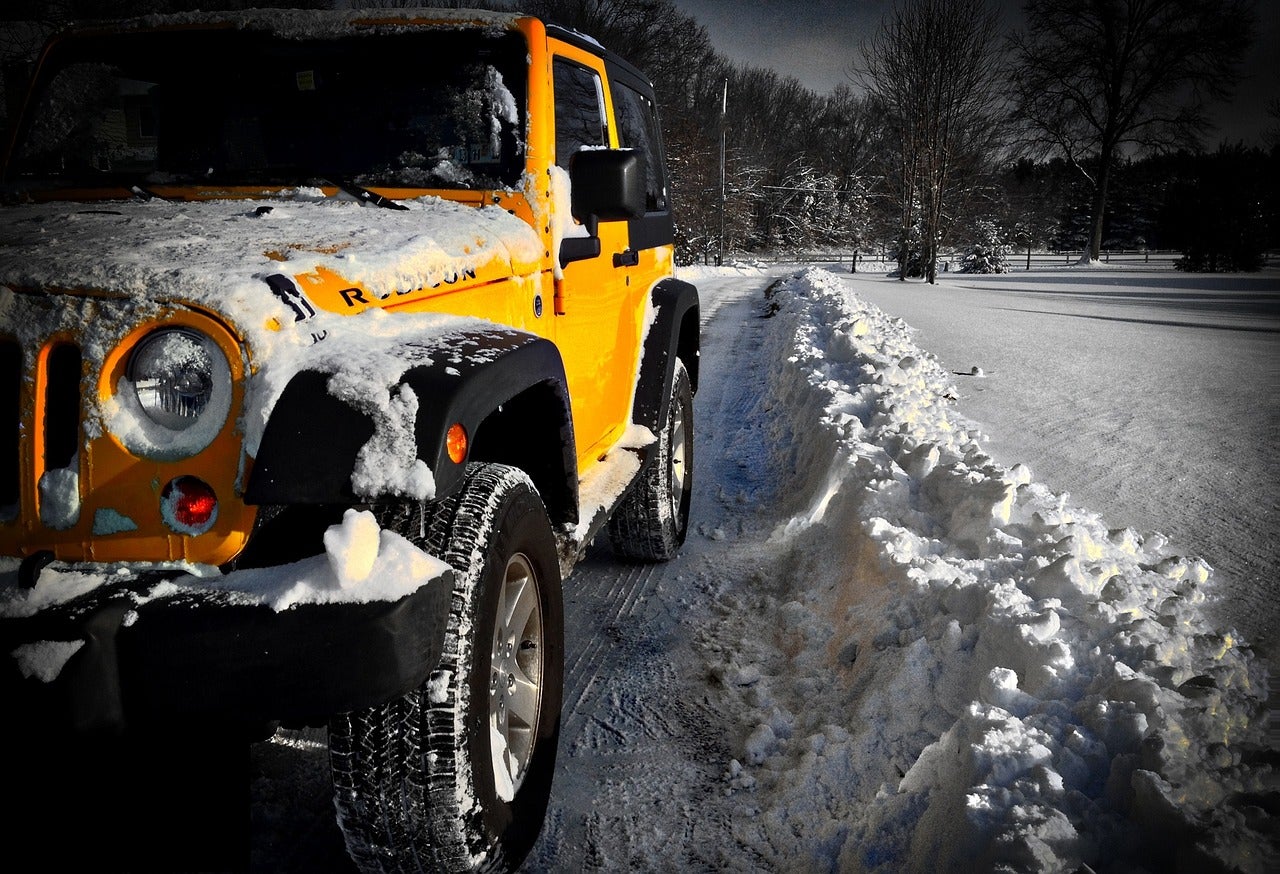
A Jeep Wrangler driving through snow

Does Your CDJR Vehicle Need a New Engine Belt?

Image via Pixabay. It's important to keep your car belt in good condition as it's responsible for powering essential components such as the alternator, power steering, cooling system, and air conditioning compressor. If the belt is worn, frayed, or cracked, it can break and cause severe damage to components under the hood. Watch for the following signs that will warn you when to get an engine belt replacement at your CDJR dealership before it's too late. more The Belt Is Shiny and Unevenly Worn To prevent any significant damage due to a snapped belt and being stranded on the side of the road, regularly lift the hood to examine the belt closely. It's essential to check both sides of the belt for any uneven wear, as it may be a sign of misalignment caused by a faulty pulley. If your belt appears shiny or unevenly worn, schedule an appointment with your technician at the earliest. The Belt Is Frayed or Cracked When you inspect your car belt and notice that the rubber of the belt is frayed or cracked, especially if the damage runs halfway through the belt, it's best to replace it as soon as possible. A worn-out belt that is already frayed and cracked could snap at any moment and, when it breaks, cause extensive damage to other components. You will not be able to drive your car, and if you do, it will damage the engine. You Notice Bits of Missing Rubber If you notice missing bits of rubber on the side of the belt that faces the pulley, replace the belt without any delay. Although the belt may still function, it's not worth taking the risk of it snapping and causing severe damage under the hood. You Hear Squealing, Ticking, or Flapping If you hear squealing sounds coming from under the hood, it could be oil leaking onto the belt and causing damage. You may hear ticking or flapping noises if the belt is badly frayed or broken. Don't drive any further, and contact us immediately for assistance. The Belt Is Older Than Five Years Car belts are manufactured out of strong and durable rubber, but, like everything else in life, they also have a lifespan. How long a car belt lasts could range from 50,000 to 100,000 miles, sometimes even more. Monitor the belt and have your technician inspect it at each service interval. Refer to your vehicle's owner's manual for the recommended belt replacement intervals. Call Bill Snethkamp Chrysler Dodge Jeep Ram in Highland Park, MI, if it's time to replace your car belt to ensure your vehicle runs at its best and always gets you safely to your destination.

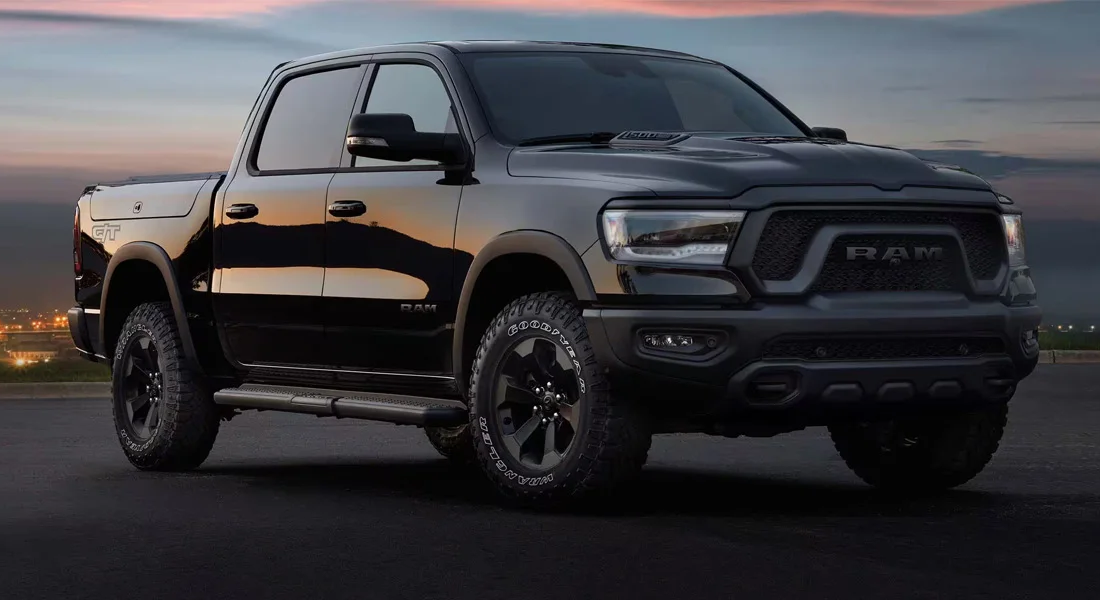
A 2024 Ram 1500 vehicle amidst a sky backdrop

What's Covered Under RAM's Extended Warranty?

Image via Bill Snethkamp CDJR. While it's easy to cover the cost of routine maintenance like wiper blade replacements and oil changes, other vehicle repairs are more expensive. An extended warranty from RAM can significantly reduce the repair costs for more expensive vehicle components. Learn more about available vehicle protection plans at your RAM dealer. more What's Covered Under RAM's Extended Warranty? RAM warranties are all backed by MOPAR. There are four MOPAR Vehicle Protection Plans to choose from, so you can customize your preferred level of coverage. Each vehicle protection plan has unique coverage details and coverage eligibility requirements. MVP Maximum Care Plus The MVP plan is designed for new cars that are within three years or 36,000 miles of the vehicle's first in-service date. The coverage term for this plan is eight years or up to 150,000 miles. This plan offers the most comprehensive level of coverage, similar to the limited bumper-to-bumper factory warranty that came with your RAM. Added Care Plus This plan has the same eligibility requirements as the MVP plan and the same coverage term length. This plan will cover over 800 vehicle components, which include the powertrain, transmission, and drivetrain. MOPAR Maximum Care To qualify for this plan, your used vehicle must be 10 years old or less and must have fewer than 150,000 miles on the odometer. If your vehicle has a five-year or 60,000-mile Powertrain Limited Warranty, then your car must have fewer than 125,000 miles on the odometer. The term length for this plan is five years. This plan also covers 850 vehicle components. Added Care This plan is also designed for used RAM vehicles and has a coverage length of up to five years. This plan will cover the powertrain, drivetrain, and transmission, along with 650 vehicle components. When Is the Best Time to Buy a RAM Warranty at Your RAM Dealer? The best time to buy a vehicle protection plan will depend on whether you are buying a new or used RAM. If you are buying a new RAM, then you should wait until your factory warranty expires to maximize the length of your vehicle protection. If you are buying a used or Certified Pre-Owned RAM, then it might be a good idea to purchase a long-term warranty on the same day you buy your vehicle, particularly if the factory warranty on your RAM has already or is about to run out. A RAM vehicle protection plan is a great way to save money on repair costs for major vehicle systems, such as your drivetrain or powertrain. Your eligibility for individual plans is determined by whether you have a new or used vehicle. To learn more about your coverage options, contact Bill Snethkamp Chrysler Dodge Jeep Ram.

A car wheel in a dark room amidst other car parts

5 Reasons to Use OEM Parts When Repairing Your Chrysler, Jeep, Dodge or RAM

Image via Pixabay. When it's time to repair your vehicle, we recommend only using OEM parts from your Chrysler, Dodge, Jeep, and RAM dealer. Original Equipment Manufacturer (OEM) components are made by the original manufacturer, MOPAR, for your specific vehicle make and model. Check out these reasons why you should use original parts over aftermarket ones for vehicle repairs. more 1. Easy to Source for Parts Delays in waiting for replacement parts for your vehicle can be frustrating. Unfortunately, if you opt for aftermarket parts, you will waste time and resources comparing different manufacturers of generic parts and choosing the best quality. Opting for OEM components saves you time and money. Original MOPAR parts for your Chrysler, Dodge, Jeep, or RAM are available at your local dealership. You can also order directly from the manufacturer and have the parts installed by your dealer. Since there is only one of each OEM component, you don't have to waste time comparing price, quality, and producers. 2. Quick and Seamless Installation Original manufacturer parts are designed specifically for your car's make and model. The parts fit perfectly and do not require any modifications. This allows for quick and seamless installation, which saves time and labor costs. Some aftermarket parts require modifications to fit properly, which can affect their performance. When you get repairs at your local dealership, your vehicle will be handled by MOPAR-certified technicians. These technicians have the expertise and knowledge to handle all your vehicle's systems and components. They will carry out high-quality repairs and get you back on the road quickly. 3. Guaranteed Quality and Reliability OEM MOPAR parts undergo rigorous testing and quality control to ensure optimal performance in Chrysler, Dodge, Jeep, and RAM vehicles. They are engineered to meet the strict specifications set by the manufacturer. This gives the parts unrivaled reliability compared to aftermarket parts. Aftermarket parts can match the guaranteed quality of genuine components. They can fail prematurely and cost you more money in repairs over the vehicle's usable life. 4. Parts Warranty From the Manufacturer Original parts come with a 24-month parts warranty that provides coverage in case any defects arise after the parts are installed. This can save you money and hassle for future repairs. Aftermarket parts rarely come with any warranty protection. If they fail prematurely, you have to pay out of pocket to replace them again. 5. Preserve Your Car's Value Since OEM components have the exact engineering and quality as the original parts, they maintain the car's value. This is unlike aftermarket parts, which are usually cheaper knock-offs that may detract from the car's worth. Repairing your vehicle right the first time using original parts is worth the investment. If your car needs repairs, contact Bill Snethkamp Chrysler Dodge Jeep RAM.

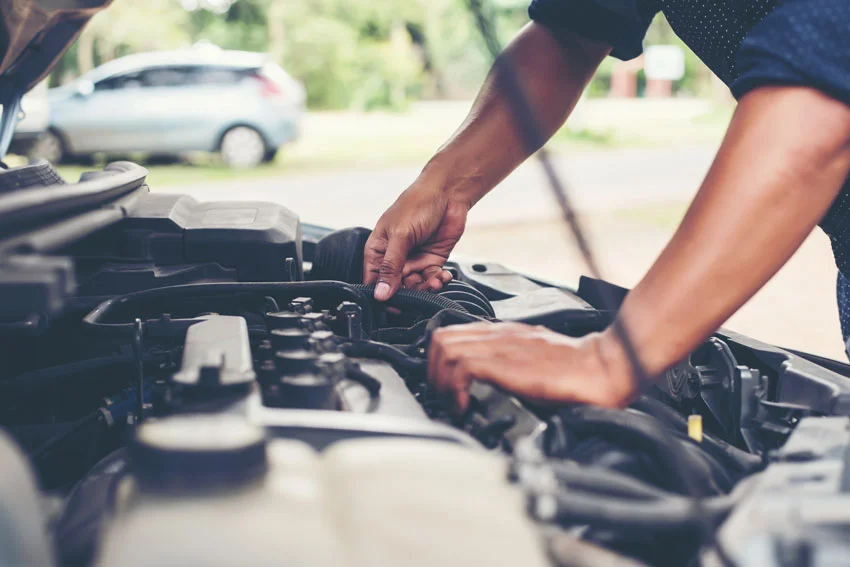
A man working under the hood of a vehicle

Does Your Chrysler, Dodge, Jeep or RAM Have a Faulty Ignition Coil?

Image via Bill Snethkamp CDJR. Ignition coils deliver 25,000 to 40,000 volts of electricity many times per second to the spark plugs. Despite working so hard, ignition coils can only last up to 150,000 miles of driving. When a coil eventually begins to falter, you'll notice the signs of trouble outlined below. Any of these issues may indicate that it's time to visit your local Chrysler dealer to replace a faulty ignition coil. more Erratic, Jumping RPMs When the flow of electricity through your engine is strong and steady, the RPMs will remain consistent. But when a faulty coil stops supplying proper voltage, one of your cylinders will begin to misfire. This misfiring will disturb the RPMs, causing the RPM gauge on your dashboard to jump around erratically. You're also likely to feel your engine shake and judder and hear it sputtering. Plummeting Acceleration Without as much power as usual, an engine with a bad ignition coil will fail to accelerate properly. This usually becomes most noticeable when you're trying to overtake, cross an intersection, or surge your way up a steep incline. Thickening Exhaust Fumes When a cylinder starts to misfire because of a failing coil, the fuel being injected into the combustion chamber doesn't get burned away as it should. This fuel can quickly build up and then start to escape into the exhaust system, where it will eventually escape from the tailpipe as smoke, thickening the exhaust fumes. Difficulty Starting the Engine Early in the morning, when the engine's cold, it needs a reliable burst of electricity to get going. If one ignition coil can't deliver that voltage, you might find it difficult to start your car. If more than one ignition coil has failed, you might not be able to start the engine at all. Poor Fuel Economy When one cylinder is down due to a malfunctioning ignition coil, your engine will be burning through fuel at a normal rate but with fewer miles to show for the effort. So if you find yourself spending more money on gas each month, a bad ignition coil might be to blame. Ask Your Chrysler Dealer To Clean Your Car's Igniton Coils While ignition coils are usually long-lasting car parts, they're located in one of the dirtiest parts of the engine and can sometimes become fouled by carbon deposits. A dirty coil can often be cleaned to restore its function. You'll just need to have an experienced technician take a look. Visit Bill Snethkamp Chrysler Dodge Jeep RAM today to have your ignition coils cleaned or replaced at one of the state's longest-running dealerships. We're family-owned and operated and have been proudly providing the region's drivers with excellent customer service since 1926.

broken alternator

Does Your Chrysler, Jeep, Dodge or RAM Need an Alternator Repair?

The alternator transmits power from your car's engine to your battery, recharging it and keeping all the electronic components of your vehicle up and running. If your alternator runs into trouble, your battery won't last long, and neither will many other parts of your car. Let's take a look at signs you might need to visit your local Chrysler dealer for an alternator repair. more Your Battery Dies A functioning alternator keeps your battery fully charged with each drive you take. If your alternator begins to fail, then your battery will charge less and less with each drive, until it finally dies. If your battery does give up the ghost, there might be other possible causes. Perhaps you left your headlights on all night, or it might be because the battery itself is simply too old and has died on its own. Jumpstart to Diagnose the Problem To see if the problem lies with your alternator or your battery, you can jumpstart your car. After you jumpstart it, if your engine stays running, then the problem most likely lies with your battery. But if the car dies again a short time later, then your alternator probably isn't doing its job. Have it repaired or replaced by a trusted technician. Your Headlights Are Dimming The first sign of a struggling alternator is usually dimming headlights as insufficient voltage is running through your car. Conversely, you might also notice sporadically overly-bright headlights, flickering in the light, or other signs of erratic voltage. These are all indicators of a failing battery or alternator. You Have Trouble Starting One vital function of your battery is to start your car. If you turn the key and the starter takes more time than usual, this points to a weakening battery, which could well be a result of alternator trouble. You're Stalling Frequently The spark plugs that ignite the fuel-air mixture in the combustion chambers of your engine require a strong electrical current. If this flow of electricity begins to weaken, then the spark plugs will start failing to fire as they should. This leads to sputtering and sudden stalls. So if you keep stalling, have both your battery and your alternator checked. Your Electronics Are Failing There are many electrical parts in all modern vehicles. If you notice any abnormalities in your air conditioning, power windows, radio, dashboard, or sunroof, take a look at your battery and alternator. Either one could be on its last legs. Your Dashboard Warns You The computerized monitors throughout your car will warn you of all kinds of detected problems, including issues with your alternator. This will probably show up as an "ALT" or "GEN" light, depending on your car's make and model. If you see such a light, don't ignore it. Have a technician take a look. How a Chrysler Dealer Can Help You First, a technician will use a diagnostic device to determine if your problem lies with the alternator, battery, or starter. They'll cross-reference the device readouts with the service limits set by Chrysler for your car model. Once the problem is identified, they'll repair or replace the necessary parts, using specialist tools. For any concerns you have about your alternator or other parts of your car, pop into Snethkamp Chrysler Dodge Jeep RAM in Detroit. We're a local family-owned dealership, and we've been helping out the drivers of Detroit since 1926. Image by SmartRecycling from Pixabay

Contact Us

Fill out this form below and we'll contact you shortly
*Required Fields