



Bill Snethkamp Chrysler Dodge Jeep Ram

Blog / Bill Snethkamp Chrysler Dodge Jeep Ram Service

Blog

All Bill Snethkamp Chrysler Dodge Jeep Ram Service Bill Snethkamp Jeep Models Places to visit in Detroit, MI Food Places Highland park Highland Park Chrysler Dealer Bill Snethkamp Ram Models Dodge Models Bill Snethkamp Chrysler Models Highland Park Chrysler Service Bill Snethkamp Dodge Models Detroit Highland Park RAM Dealer Detroit Jeep Service Bill Snethkamp Chrysler Dodge Jeep Ram CDJR Dealer Wagoneer Detroit Ram Truck Service Shopping in Highland Park Engine 2026 chrysler pacifica 2026 dodge charger 2026 Jeep Inventory 2026 RAM 1500 Safety Features 2026 Jeep Gladiator 2026 RAM 2500 2026 RAM Inventory Chrysler Service in MI Highland Park Dodge Service Highland Park Jeep Dealer Hybrid Infotainment Service in MI SUV Voyager 2025 Chrysler Voyager 2026 Dodge Inventory 2026 Jeep Grand Wagoneer 2026 Jeep Wagoneer 2026 Jeep Wrangler 2026 Jeep Wrangler Inventory 2026 RAM 1500 lineup Available Vehicle Incentives and Features Churches in Highland Park Detroiet Jeep Service Dodge Durango Specifications Dodge Financing Information at Bill Snethkamp CDJR Dodge Inventory Dodge Service in MI Engine and Performance Specifications Exterior Features and Roof Options Financing Options and Procedures Highland Park Dodge Dealer Highland Park Used Cars Highland Park, MI Interior Dimensions and Cargo Capacity Interior Features and Technology Jeep Dealer in Highland Park, MI Mechanical Specifications and Performance Off-Road Equipment and Capability Safety and Driver Assistance Systems Safety Systems and Construction Transmission
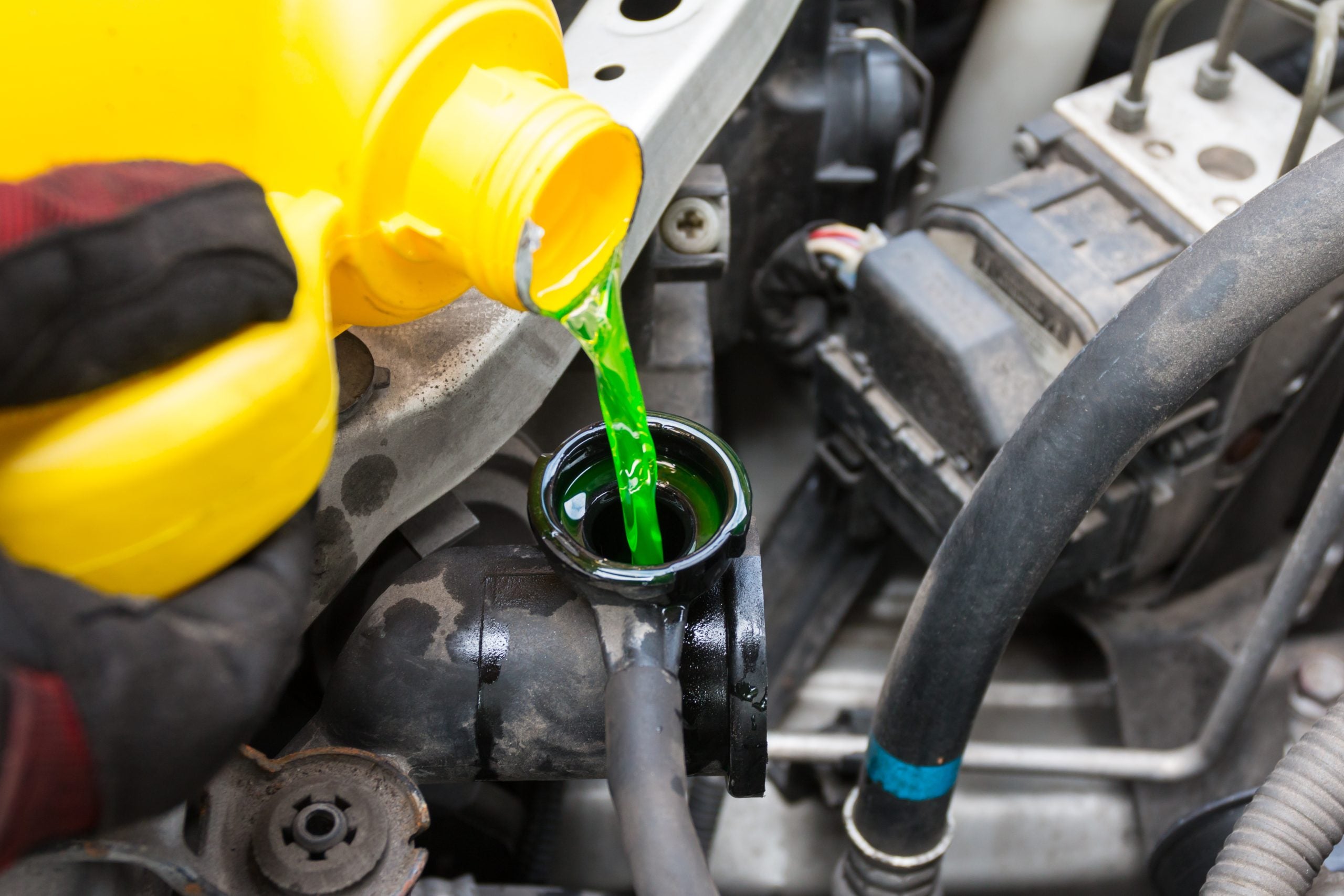
Coolant being poured into a vehicle

Scheduled Maintenance: Keeping Your Chrysler in Top Shape

Image via Bill Snethkamp CDJR. All auto components wear out in time, and your Chrysler has a maintenance schedule to ensure they're replaced before they fail. This prevents worn parts from reducing vehicle performance and potentially causing damage. As your Chrysler dealer, we want to tell you about a few examples of Chrysler maintenance that will keep your vehicle in top shape. more Regular Tire Rotations Tires are made from high-quality rubber and have reinforced tread to withstand the friction produced by driving. They also suffer additional wear and tear due to their position on your vehicle. Each tire position causes a different wear pattern due to weight distribution and wheel alignment. Regular tire rotations can reduce this type of damage. A tire rotation involves moving each tire to a different position. The positions the tires move to depend on your drivetrain. An FWD concentrates most of the weight in the front, causing your front tires to wear faster, while the reverse is true on an RWD. Shifting your tires to new positions allows them to wear down relatively evenly, extending their lifespan so you can more easily plan for their eventual replacement. Fluid Checks and Replacement Your vehicle contains numerous fluids. Each fluid performs a specific role, from keeping your engine clean and rust-free to enabling you to turn the steering wheel more easily. Some fluids, like oil, can be consumed over time, and all fluids gradually degrade and lose effectiveness. Less effective fluids can increase wear and tear on the components they service. The most important fluids in your vehicle are brake fluid, engine oil, transmission fluid, coolant, and power steering fluid. Regular fluid checks test the fluids to ensure they're in good condition and replace them if necessary. Some fluids, like oil and transmission fluid, have associated filters, and we'll replace the filters when the fluid is replaced so it will flow smoothly and cleanly. Air Filter Replacement Your engine requires vast amounts of air, as air is needed to mix with fuel to create combustion. Air enters through the radiator grille and passes into the air filter. This concertina-shaped device captures dust, dirt, and other debris so only clean air enters the engine. This is important as dirt and debris can damage sensitive engine components. In time, the filter will become clogged with dirt, restricting airflow to the engine. If your engine doesn't receive enough air, the air-fuel mix in the engine will become fuel-rich. A fuel-rich engine uses more fuel, damages the spark plugs and ignition coils, and can cause misfiring or stalling. Regular air filter replacement prevents these problems. If you'd like to know more about scheduled maintenance or book your next service, contact us today at Bill Snethkamp CDJR in Highland Park, MI.

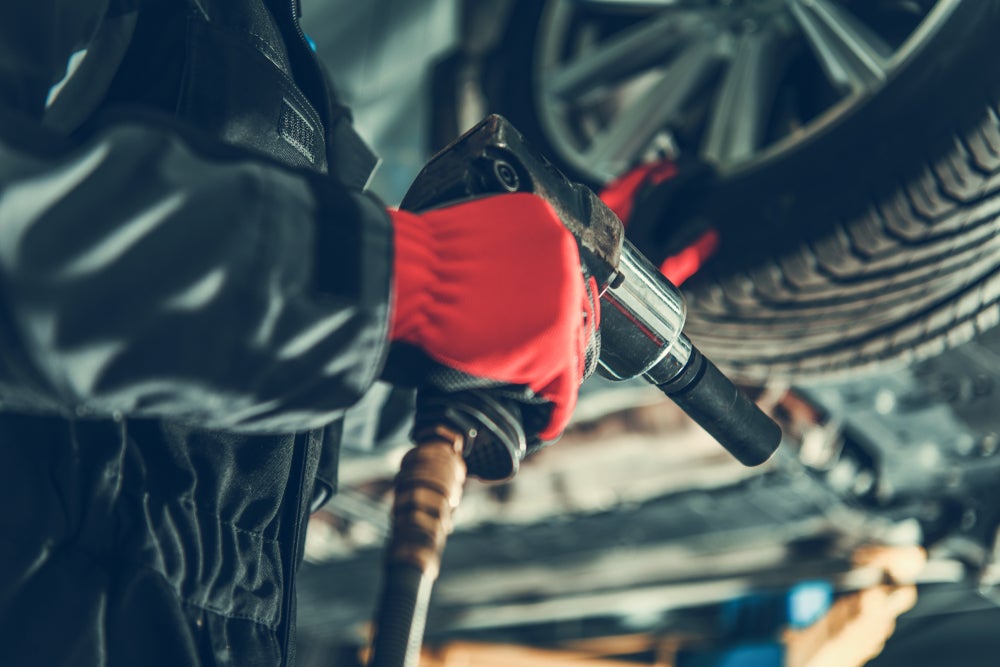
A man changing tires underneath a vehicle

Jeep Brake Service: Ensure Safety On and Off the Road

Image via Bill Snethkamp CDJR. A Jeep service is very different from visiting a mechanic. Our technicians are Jeep-trained repair experts, and we only use Jeep-approved replacement parts to provide the highest standard of repair. High quality and expertise are important for any repair, and even more so for a crucial system like your brakes. We'd like you to know a few signs you may need to visit us for brake service. more Brake Fluid Leak Brake fluid provides the hydraulic power that allows the braking system to work. When you hit the brakes, pressurized brake fluid is forced through the hoses to the calipers. The fluid forces the pins out of the calipers, causing them to clamp against the spinning rotors. Each caliper houses a brake pad that generates friction against the rotor, and this friction stops your wheels. Unlike most other fluids, leaking brake fluid can be difficult to spot. It's thin, yellowish, and resembles cooking oil. While you might not spot a leak, you'll feel fluid loss as the brake pedal must be pushed almost to the floor. The lack of fluid increases your stopping distance as your brakes take longer to engage. Our experts will trace and repair a leak, then refill the system with fresh fluid. Screeching Noises As we saw above, brake pads are a vital part of your braking system. Each pad has a 1/2" thick rough covering that reacts with the smooth rotor to produce friction. The pad material slowly wears off, leading to a slight decrease in braking speed due to the reduced friction. Once a pad drops to 1/4" after 25,000 to 65,000 miles, depending on your model and usage, the pad will need replacement. The pad manufacturers install a warning inside the pads to alert you that it's time to replace them. A metal spike is buried inside the material and becomes visible when the pad wears out. The spike will scratch against the rotor when you brake and produce an annoying high-pitched screech. We can replace worn pads in minutes, and your brakes will work effectively and quietly again. Vibrations When Braking If you brake and feel vibrations through the pedal, you may have one or more damaged rotors. Braking generates heat, which can liquify some of the brake pad's adhesive. The adhesive will spread across the rotor and quickly dry due to the intense heat. As time passes, the dried adhesive will produce an irregular rotor surface. When a pad grabs the irregular surface, it produces vibrations. We can fix this by cleaning the dried adhesive or resurfacing the rotor to turn it smooth and flat again. If you have a brake problem, contact us today at Bill Snethkamp CDJR in Highland Park, MI.

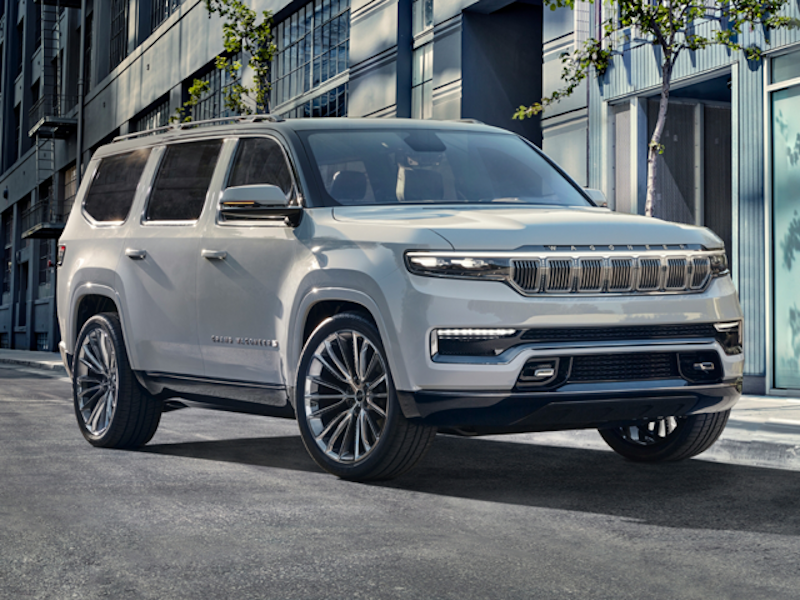
A 2024 Grand Wagoneer driving through some urban streets

The Benefits of Leasing vs. Buying Your Next CDJR Vehicle: An In-Depth Look

Image via Bill Snethkamp CDJR. When you visit your CDJR dealer for a new vehicle, you have two options when it comes to paying for it. You could finance the car, gradually pay off your loan, then eventually own the vehicle. Alternatively, you could choose to lease the car, which is a little like renting it for a long period of time. Both leasing and buying have benefits, so let's take a look at leasing vs. buying to see which is right for you. more Leasing Lets You Drive Better for Less A car lease tends to cost less every month than a car payment, even if you're leasing a new vehicle. That lets you drive a newer, potentially better-equipped Mitsubishi model than you may have been able to afford if buying a car. Buying Eventually Ends Your Payment Period Even though leasing the car costs less each month, it doesn't cost less in the long run. When you lease, you'll always have to pay a fee for the car you're driving. Buying a car, on the other hand, means the payments will stop one day. You'll have the loan paid back in a few years, and then you'll have several years of driving ahead of you with no monthly car payment. Leasing Gets You a New Car Regularly There's something special about getting behind the wheel of a brand-new car. You get to experience that regularly when you lease your vehicle. You can upgrade to the latest model every few years, giving you access to all the new features. Plus, you get that great feeling that comes with driving something new and exciting. Buying Gives You Total Control When you buy a car, you can do whatever you want with it. If you want to upgrade your car's parts, then you can. If you want to change the vehicle's appearance, then you can go right ahead. Leasing Has a Lower Down Payment When you lease a vehicle, you may not have to pay anything upfront. That means you don't have to spend years saving for a down payment, which may make it easier for some people to lease a car. Buying Has No Mileage Limits When you lease a car, you agree to limit how much you drive in it during your lease period. If you drive more than your allotted number of miles, then you have to pay a fee for each additional mile you drive. You don't have a mileage limit when you buy a car, giving you the freedom to go anywhere and do anything without worrying about how many miles you've driven. Come to Bill Snethkamp Chrysler Dodge Jeep RAM in Highland Park, MI to see a range of CDJR vehicles today. Contact us at 313-349-2680 to discuss the next car you're going to lease or buy.

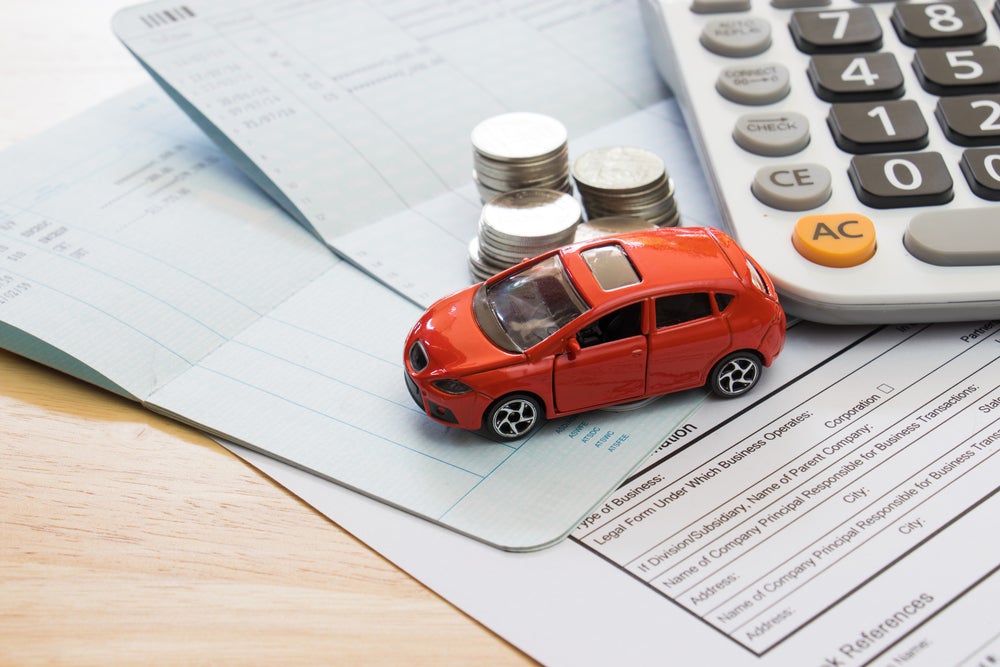
A little car on top of some financing paperwork

3 Benefits of Getting Financing from Your CDJR Dealer

Image via Bill Snethkamp CDJR. Car financing can seem a stressful process, almost like a root canal, but it doesn't have to be. As your CDJR dealer, we want to tell you about some reasons to choose us for your financing and get the car of your dreams sooner than you think. more Faster Approvals Applying for a car loan through a bank is often time-consuming. Once you've decided on the loan amount you need, you usually have to visit them with your completed application form and all relevant documents. Once they have your application, you have to wait. Banks have numerous bureaucratic procedures that must be completed, and for them, time is no object. We understand that your time is valuable, and we also understand how much you want the vehicle you've chosen. Our finance managers work with you to complete the process ASAP. We utilize a network of local banks and loan providers in Michigan, and your application is sent to all of them. This competition for your business means you can look forward to quicker approvals, sometimes on the same day you apply. Options for Everyone Not everyone has a perfect credit score, but a high credit score is one of the main determinants of whether a bank will approve a loan. Banks are normally loath to offer a good loan deal if you have average credit and won't approve a loan at all if your credit needs some improvement. This can be very disheartening, as a loan refusal means you have to start the process again at another bank. Our view is very different. We see you as an individual, not a credit score number. If you can afford to repay a loan, then you should have that loan. Our finance team is highly experienced in working with customers at every level of credit. In addition, our network of loan providers understands local conditions as they're based in our state. We can tailor the right deal for you that will increase your credit score in the process. Additional Options As your dealer, we have a range of additional services that banks and credit unions can't offer. We have access to special offers and other incentives directly from the manufacturer that can reduce your costs even further. These offers and incentives can vary between models, but we can always find the deal that works for you. We also offer a range of value-added services and extended warranty options to enhance your vehicle and extend its long-term protection to give you added peace of mind. Contact our finance department today at Bill Snethkamp CDJR in Highland Park, MI. Your next vehicle is waiting on our lot for you to collect the key fob.

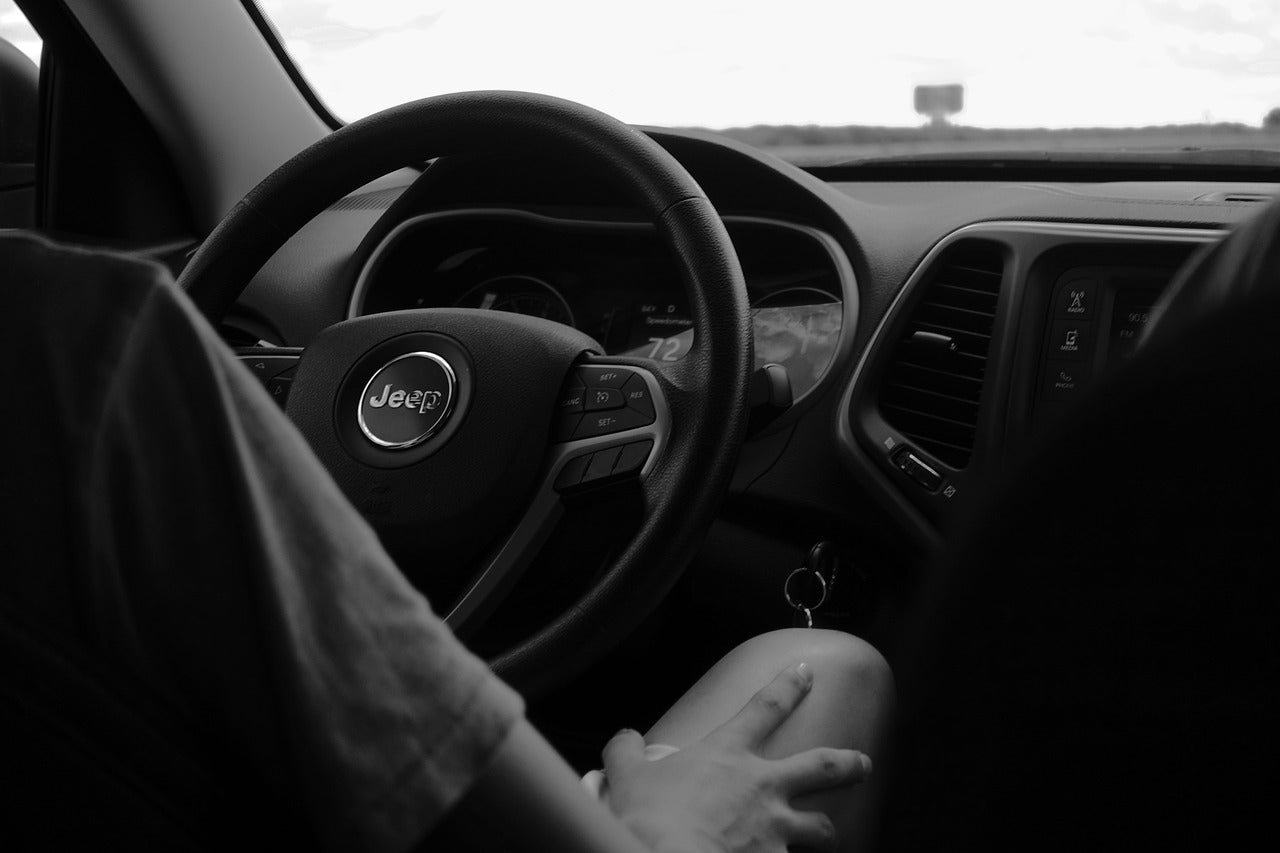
A Jeep dashboard in black and white

Decoding Dashboard Lights on Your Chrysler, Dodge, Jeep, or RAM

Image via Pixabay. Dashboard warnings seem to light up at the most inconvenient times, but these lights provide valuable information designed to keep you safe and your vehicle running at peak performance. However, the symbols and icons can be challenging to interpret and determine which needs the most attention. Your CDJR dealer will help you with any confusion and alert you to the warnings you need to watch out for. more Green Is Good Or at least, it is not bad. The green icons on your dashboard provide information about your vehicle that is not of concern, such as letting you know that your cruise control is on. Yellow Announces Concern A yellow icon on your dashboard is the system's way of letting you know that there is a concern that should be addressed as soon as possible but is not yet an immediate danger. Following up with these yellow warnings with your dealer or certified mechanic is important. Red Is Bad Red means stop. When the red icons appear on your dashboard, pay attention. You need to stop the vehicle as soon as it is safe to do so. And you should get your vehicle to a certified mechanic as soon as possible. Reach out to Bill Snethkamp CDJR for help when the red icons appear. Blue Reminds The one blue light is the high beam indicator, which informs you that your high beams are currently on. Get Help from Your CDJR Dealer Your Chrysler, Dodge, Jeep, or Ram's warning systems help protect you and extend the life of your vehicle. Contact your dealer for clarification about whether the light is a routine indicator, a simple system indicator, or something more serious. At Bill Snethkamp CDJR, we provide exceptional service from our highly qualified technicians for new and used car customers. We are here to help you with all your dashboard light dilemmas, from ordinary maintenance to major repairs. Some Warning Lights Not to Ignore Any time your light includes an exclamation point, pay attention no matter what color the light. Otherwise, these are some of the lights that can indicate serious problems: Engine temperature Oil pressure Brake system Airbag fault Battery charge Tire pressure Transmission temperature Maintenance reminder Crucial Warning Lights Engine check symbol Powertrain fault ABS warning Traction control system malfunction Your vehicle's warning lights should always be addressed as soon as possible. When your dashboard icons have you wondering, visit us at Bill Snethkamp Chrysler Dodge Jeep Ram, 16400 Woodward Ave., Highland Park, MI 48203.

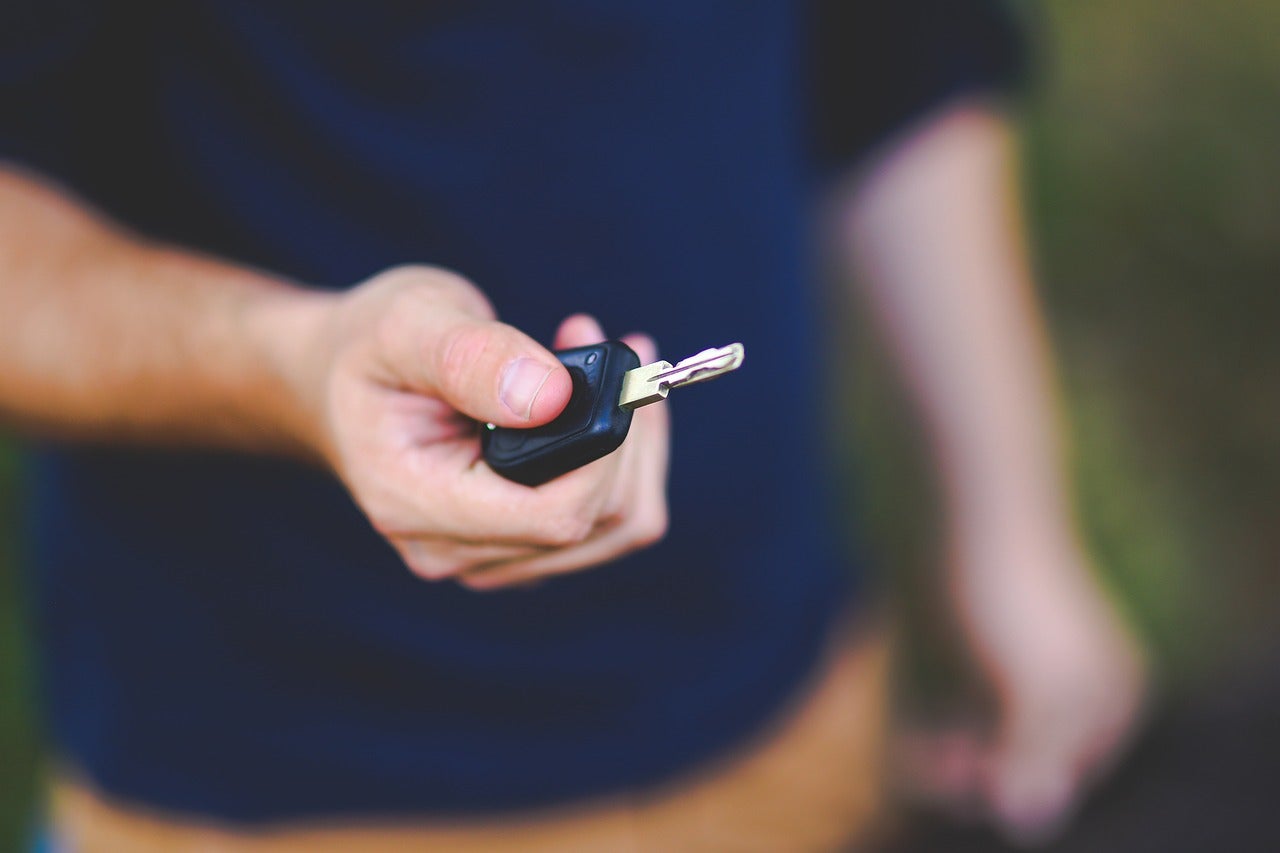
A man holding out a car key

Should You Buy or Lease Your Next CDJR Vehicle?

Image via Pixabay. Should you buy or lease a car? Which option is right for you? Thankfully, your local Chrysler Dodge Jeep RAM dealership will have plenty of cars to choose from, as well as helpful online tools that can make the decision a lot clearer from the comfort of your own home. more Advantages of Buying a Car When you buy a car, you can either pay in cash or go with the more standard method of getting an auto loan from your bank or credit union. Your monthly payment will depend on your credit score and how much the value of the car is. In the long run, buying a car typically will save money at the end of the loan when compared to a lease of the same length. After you pay off the car, the car is officially yours! You can do whatever you want with it now, like make modifications to the body or paint style, but you're also the only one responsible for it. To keep the car from drastically dropping in value, car owners need to keep up with regular maintenance to make sure the car is safe and street-worthy. Advantages of Leasing a Car Leasing a car looks a bit different from buying. When you lease a car, you leave with a brand new model that you pay monthly payments on to drive for a set term and then return the car afterward. This provides you with a brand-new, safe, and reliable car every time. There are a few drawbacks of leasing to consider. When the lease is over, you have to return the car or pay a large sum to keep it. It is comparable to renting an apartment. Also, you are not gaining equity from this method compared to buying. It's also important for road trip fans to know that leases will include a set amount of miles you can drive, and going over that number will incur additional charges. Buying or Leasing a Car Is About You Buying a car is something to be excited about and you should do what makes you happiest. If you're not super sure what car to drive for the next 5-10 years, leasing might provide extra time to figure it out. Already fallen in love with a dream car? Then buying it can save you money, and it would be officially yours to keep and do with it what you want. Contact us at our Chrysler dealership, Bill Snethkamp Chrysler Dodge Jeep Ram located in Highland Park, MI. We can help you find the perfect car for you to buy or lease.

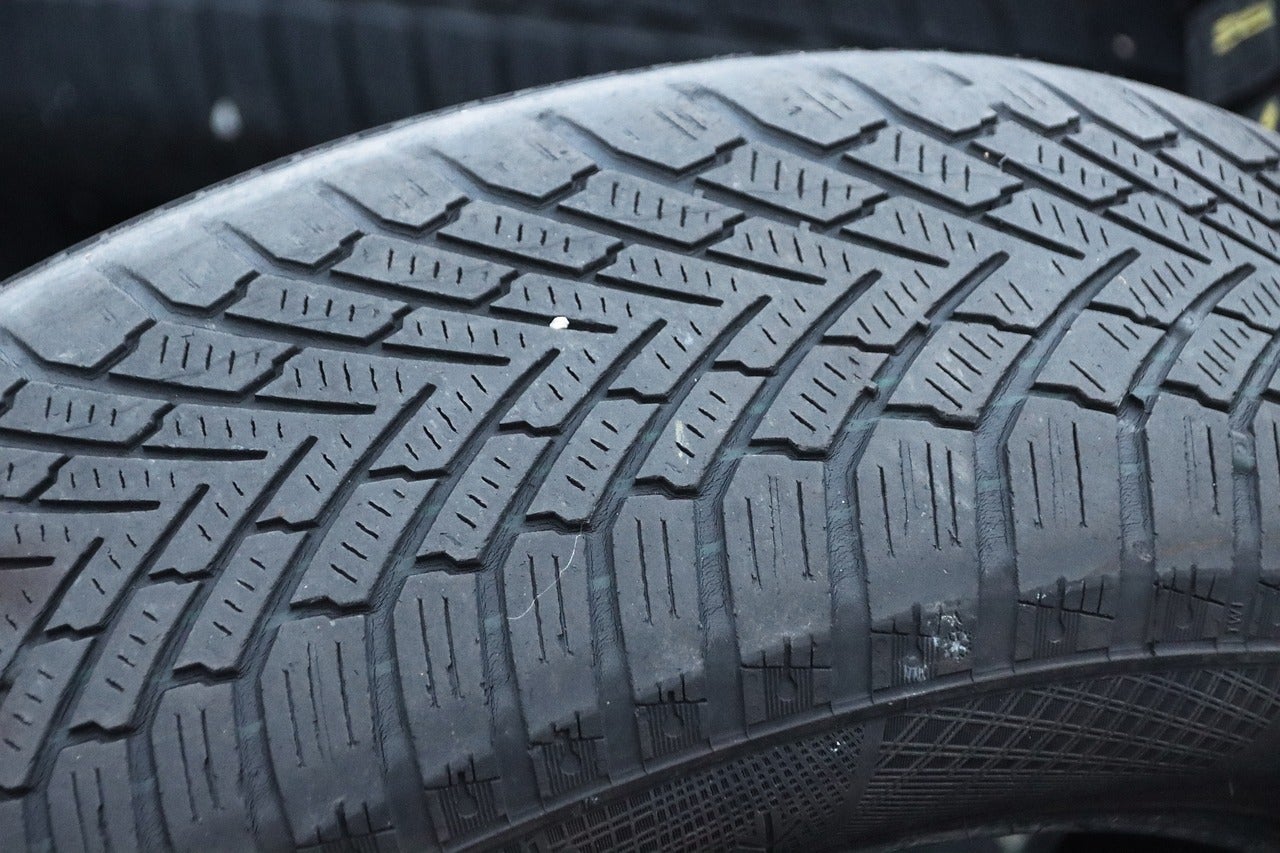
A Close-up Textured photograph of a tire

Replacing a Flat on Your CDJR Vehicle

Image via Pixabay. ​​​​​​​​​​​​​​​​​​​​Changing a flat tire isn't as complicated as it looks. It just takes a little time and know-how. As your CDJR dealer, we'd like to tell you the simple steps to quickly and easily replace your tire. more Find a Flat Space If your tire fails while you're driving, you'll need to pull over to replace it. Scan the area for a likely space that's out of the path of traffic. Good locations include the emergency lane on a highway, a strip mall parking lot, or any other flat area. Make sure that your car won't block any traffic. Switch On Your Lights Once you've switched off the engine, raise the emergency brake and switch on your indicator lights. You can also raise your hood. These are universal signs other drivers will recognize that your car is stationary, so they'll automatically slow down and avoid you. Find The Tools You'll need your spare, a lug wrench, and a jack. The tools will usually be stored in the trunk, and your spare will be under the carpet in the trunk, on the roof, or underneath the vehicle. Loosen the Lug Nuts Use the lug wrench to loosen each nut. These nuts are securely tightened, and you'll have to apply force to loosen them. The easiest way to do this is to attach the wrench to a nut and then press down on the wrench with your foot. Don't remove the nuts yet: just loosen them enough so they can easily be turned by hand. Position the Jack Look underneath your vehicle for one of the flat reinforced sections designed as lifting points. Once you've found the closest one to the flat, position the jack and lift your vehicle high enough that the flat touches the ground. Change The Tire Unscrew the lug nuts, then lift the flat off the wheel hub. Position the spare on the wheel hub and rotate it until both sets of holes line up. Once this is done, screw the lug nuts back on by hand as tightly as you can. Lower Your Vehicle Use the jack to lower your vehicle to the ground, then use the wrench to tighten the nuts as securely as possible. Your tire has been successfully changed, and all that's left to do is pack away your tools and the flat before you drive away. If you have a regular-sized spare, you can continue to drive normally. If your spare is a space-saving tire, don't drive over 50 mph or for more than 50 miles before you replace it. Head on over to us at Bill Snethkamp CDJR in Highland Park, MI, to get your replacement tire.

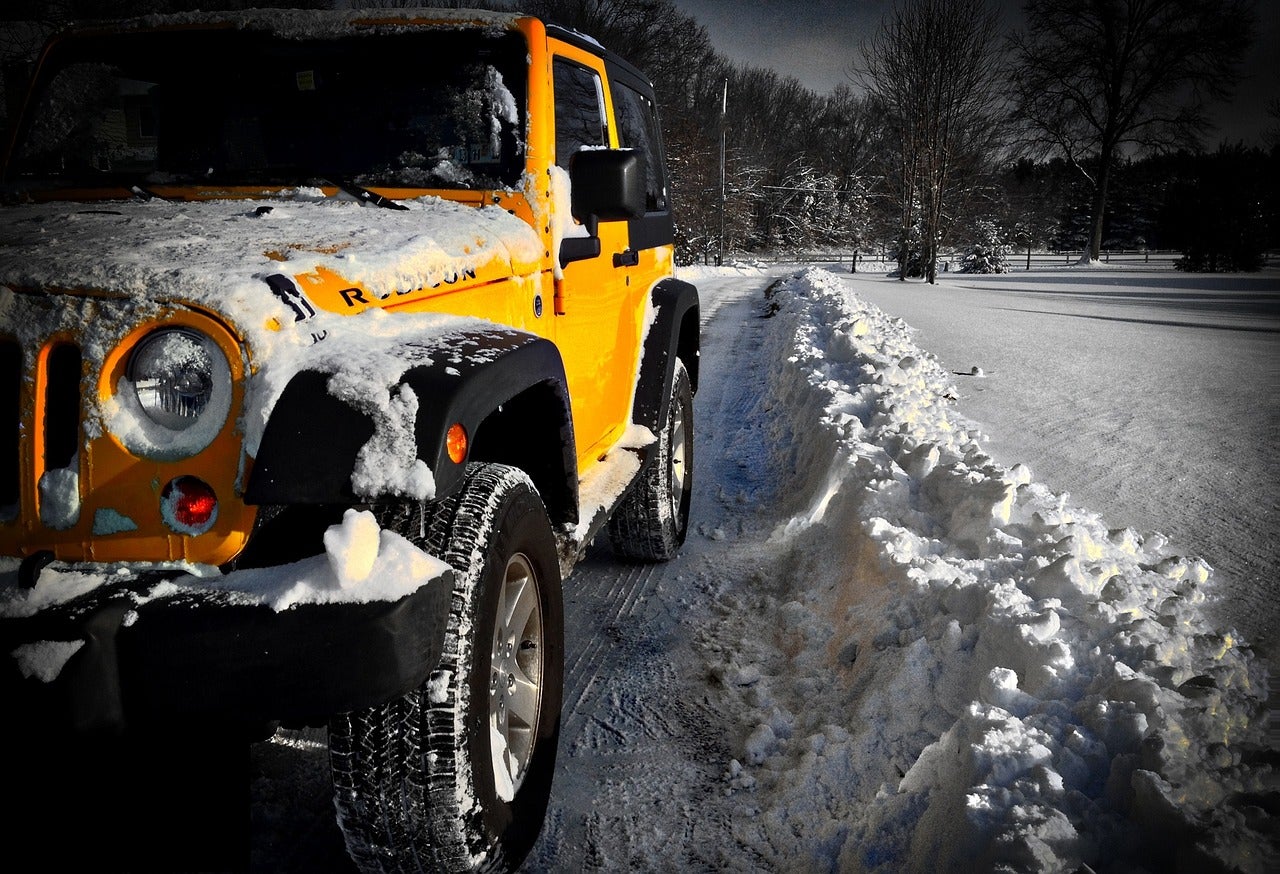
A Jeep Wrangler driving through snow

Does Your CDJR Vehicle Need a New Engine Belt?

Image via Pixabay. It's important to keep your car belt in good condition as it's responsible for powering essential components such as the alternator, power steering, cooling system, and air conditioning compressor. If the belt is worn, frayed, or cracked, it can break and cause severe damage to components under the hood. Watch for the following signs that will warn you when to get an engine belt replacement at your CDJR dealership before it's too late. more The Belt Is Shiny and Unevenly Worn To prevent any significant damage due to a snapped belt and being stranded on the side of the road, regularly lift the hood to examine the belt closely. It's essential to check both sides of the belt for any uneven wear, as it may be a sign of misalignment caused by a faulty pulley. If your belt appears shiny or unevenly worn, schedule an appointment with your technician at the earliest. The Belt Is Frayed or Cracked When you inspect your car belt and notice that the rubber of the belt is frayed or cracked, especially if the damage runs halfway through the belt, it's best to replace it as soon as possible. A worn-out belt that is already frayed and cracked could snap at any moment and, when it breaks, cause extensive damage to other components. You will not be able to drive your car, and if you do, it will damage the engine. You Notice Bits of Missing Rubber If you notice missing bits of rubber on the side of the belt that faces the pulley, replace the belt without any delay. Although the belt may still function, it's not worth taking the risk of it snapping and causing severe damage under the hood. You Hear Squealing, Ticking, or Flapping If you hear squealing sounds coming from under the hood, it could be oil leaking onto the belt and causing damage. You may hear ticking or flapping noises if the belt is badly frayed or broken. Don't drive any further, and contact us immediately for assistance. The Belt Is Older Than Five Years Car belts are manufactured out of strong and durable rubber, but, like everything else in life, they also have a lifespan. How long a car belt lasts could range from 50,000 to 100,000 miles, sometimes even more. Monitor the belt and have your technician inspect it at each service interval. Refer to your vehicle's owner's manual for the recommended belt replacement intervals. Call Bill Snethkamp Chrysler Dodge Jeep Ram in Highland Park, MI, if it's time to replace your car belt to ensure your vehicle runs at its best and always gets you safely to your destination.

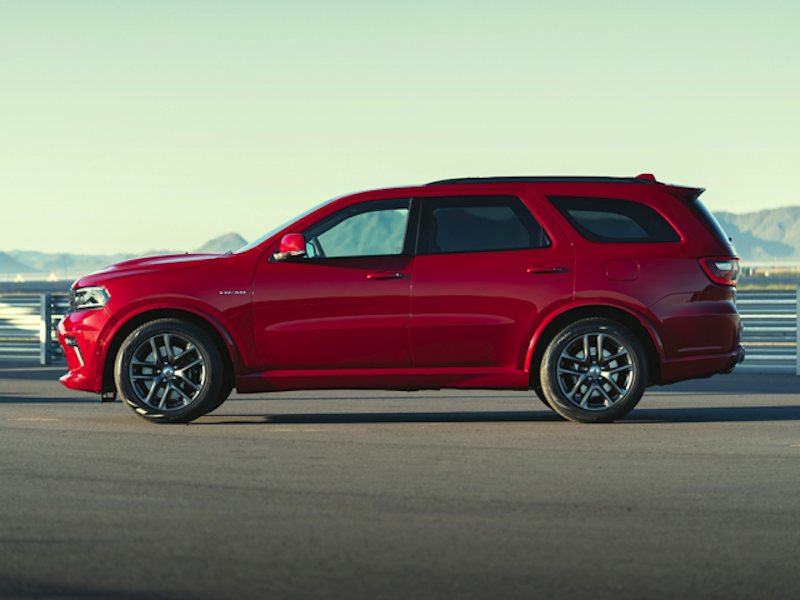
A broad side shot of the Dodge Durango driving

Protecting the Car Paint on Your Chrysler, Dodge, Jeep, or RAM

Image via Bill Snethkamp CDJR. ​​​​​​​​When you first bring home your new Chrysler, it gleams in the sun. But, over time, environmental conditions, mud, and sunlight can cause havoc with your paint, and it could lose its sheen. Fortunately, this problem can be prevented by taking care of your car's paint. As your Chrysler dealership, we're going to give you some tips on how to protect your vehicle's finish from the elements. more Advice From Your CDJR Dealership: Tips To Protect Car Paint Regular Washing Some drivers might think washing a car is a chore to be completed. Almost every Chrysler driver, however, will agree that there's immense satisfaction in washing their car. There's a feeling of achievement when you step back and see your Chrysler, Dodge, Jeep, or RAM vehicle gleaming in the sun again. Always be sure to use a high-quality car wash soap, as it won't damage your paint. Never use dish soap. We also recommend good quality sponges and microfiber clothes, as both will clean perfectly and not scratch your paint. Once your car has been washed, rinse it off with the hosepipe and dry it with more microfiber clothes or cotton towels to provide a streak-free shine. Alternatively, you can take your car to a car wash, but be sure to check the quality of the rollers first. Worn or damaged rollers can scratch your paint. Remember To Wax Waxing your car puts an additional protective layer between your paint and the environment. A high-quality wax will remain on your car and reduce the chance of scratches from dirt, grit, and other airborne abrasives. It's not essential to wax every time you've washed your car, but you should wax your vehicle thoroughly at least twice a year. We recommend waxing at the end of spring and the end of fall. Summer and winter are the two seasons that can put the most stress on your paint. Michigan's cold winters can be very enjoyable when you can relax inside your home in the warmth. Unfortunately, those same low temperatures can damage the paint if it's not protected. After a good coat of wax, your car's paint will shrug off the snow and ice. Beware the Sun Sunshine is good for all of us, and bright sunny days make you feel more alive. Sadly, while sunlight is good for humans and animals, it's bad for paint. The UV rays in sunlight can fade and oxidize your paint. The sun's infrared rays are no better, as they cause additional damage. Too much time in the sun, and your paint can develop tiny cracks that will spread. We advise that you park your car in your garage or other parking structure. If this isn't possible, a good quality car cover will protect your paint from the sun. If you want to know more about protecting your paint, visit us today at Bill Snethkamp CDJR.

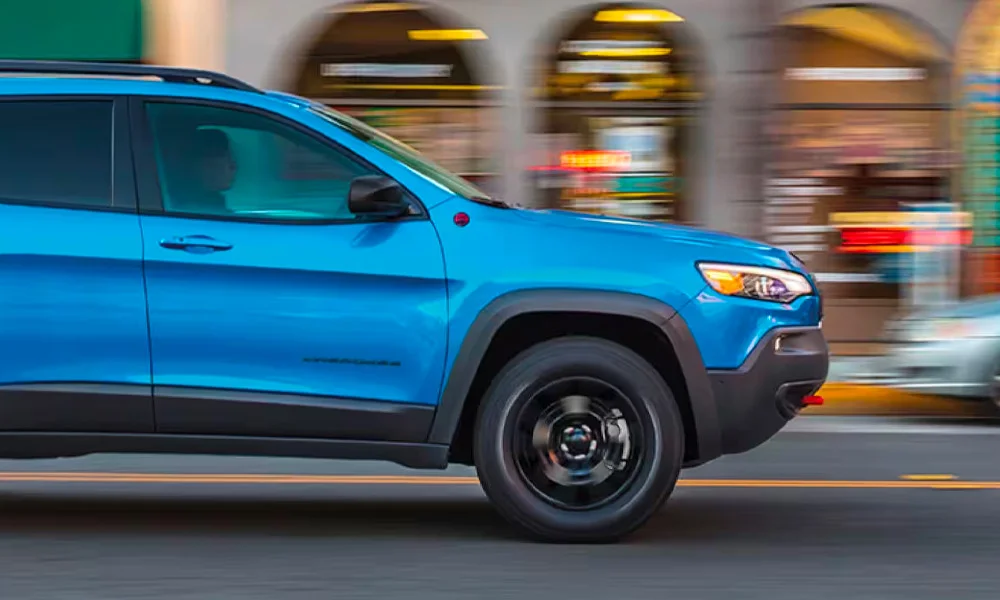
A 2023 Jeep Cherokee speeding through a city

What's Covered in an Extended Warranty on a New Jeep?

Image via Bill Snethkamp CDJR. An extended warranty can help you cut down on repair costs for covered vehicle components. Extending your warranty coverage is a good idea if you want to maintain the power, performance, and protection of your Jeep for as long as possible. When you visit your Jeep dealer to purchase a longer warranty, you will have a couple of programs to choose from. more What's Covered in an Extended Warranty on a New Jeep? For Jeep, extended coverage for your warranty is called a Mopar Vehicle Protection Plan. Mopar offers two tiers for this plan. The Mopar Maximum Care Plan will cover 5,000 vehicle components for eight years or up to 125,000 miles. This plan is essentially bumper-to-bumper coverage, similar to the new vehicle warranty that comes with your Jeep. The second plan, Mopar Added Care Plus, covers the most essential components of your vehicle for a minimum of five years and a maximum of eight. This vehicle protection plan will cover drivetrain elements, the steering system, the brake system, the cooling and fuel systems, the engine, the transmission, the air conditioning, and the front and rear suspensions. Exclusions You can only purchase a vehicle protection plan for your Jeep before the basic limited warranty on your vehicle ends. These protection plans will not cover vehicle components damaged from reckless driving, lack of maintenance, severe weather, theft, or vandalism. The warranty does not cover wear and tear vehicle components like brake pads or the cost of routine maintenance. Perks These protection plans come with some perks, such as roadside assistance and towing assistance. Drivers can be reimbursed for car rentals and trip interruptions. The cost of key fob replacements or repairs will also be covered. However, these perks will expire after 100,000 miles, even if you are under a maximum-length vehicle protection plan. Where Can You Have Repairs Under This Warranty? Repairs are only covered if they are performed at an authorized dealership with genuine parts from Mopar. Ask Your Jeep Dealer: What Other Warranties Does Jeep Offer? When you purchase a new Jeep, you get the benefit of several warranty programs. The Jeep basic limited warranty lasts for three years, or up to 36,000 miles, while the powertrain limited warranty will last for five years or 60,000 miles. Jeep also adds a federal emissions warranty that lasts for up to two years and an anti-corrosion perforation limited warranty. If you purchase a certified pre-owned Jeep, your vehicle will have a limited powertrain warranty that will last until the odometer hits 100,000 miles. A vehicle protection plan can cover the cost of repairs for expensive vehicle parts, such as your powertrain or drivetrain. Contact Bill Snethkamp Chrysler Dodge Jeep Ram to discuss your plan options today.

A car wheel in a dark room amidst other car parts

5 Reasons to Use OEM Parts When Repairing Your Chrysler, Jeep, Dodge or RAM

Image via Pixabay. When it's time to repair your vehicle, we recommend only using OEM parts from your Chrysler, Dodge, Jeep, and RAM dealer. Original Equipment Manufacturer (OEM) components are made by the original manufacturer, MOPAR, for your specific vehicle make and model. Check out these reasons why you should use original parts over aftermarket ones for vehicle repairs. more 1. Easy to Source for Parts Delays in waiting for replacement parts for your vehicle can be frustrating. Unfortunately, if you opt for aftermarket parts, you will waste time and resources comparing different manufacturers of generic parts and choosing the best quality. Opting for OEM components saves you time and money. Original MOPAR parts for your Chrysler, Dodge, Jeep, or RAM are available at your local dealership. You can also order directly from the manufacturer and have the parts installed by your dealer. Since there is only one of each OEM component, you don't have to waste time comparing price, quality, and producers. 2. Quick and Seamless Installation Original manufacturer parts are designed specifically for your car's make and model. The parts fit perfectly and do not require any modifications. This allows for quick and seamless installation, which saves time and labor costs. Some aftermarket parts require modifications to fit properly, which can affect their performance. When you get repairs at your local dealership, your vehicle will be handled by MOPAR-certified technicians. These technicians have the expertise and knowledge to handle all your vehicle's systems and components. They will carry out high-quality repairs and get you back on the road quickly. 3. Guaranteed Quality and Reliability OEM MOPAR parts undergo rigorous testing and quality control to ensure optimal performance in Chrysler, Dodge, Jeep, and RAM vehicles. They are engineered to meet the strict specifications set by the manufacturer. This gives the parts unrivaled reliability compared to aftermarket parts. Aftermarket parts can match the guaranteed quality of genuine components. They can fail prematurely and cost you more money in repairs over the vehicle's usable life. 4. Parts Warranty From the Manufacturer Original parts come with a 24-month parts warranty that provides coverage in case any defects arise after the parts are installed. This can save you money and hassle for future repairs. Aftermarket parts rarely come with any warranty protection. If they fail prematurely, you have to pay out of pocket to replace them again. 5. Preserve Your Car's Value Since OEM components have the exact engineering and quality as the original parts, they maintain the car's value. This is unlike aftermarket parts, which are usually cheaper knock-offs that may detract from the car's worth. Repairing your vehicle right the first time using original parts is worth the investment. If your car needs repairs, contact Bill Snethkamp Chrysler Dodge Jeep RAM.

Two technicians checking the oil in a vehicle

How Often Should Your Chrysler Get an Oil Change?

Image via Bill Snethkamp CDJR. Without oil, your engine will quickly stop running smoothly, and eventually, it will stop running at all. Changing the oil frequently is one of the most important maintenance tasks you can do to protect your car and help it last as long as possible. But how often are you supposed to head to the Chrysler dealer for an oil change? more Understanding Oil Change Frequency Wondering how often you should be swapping out that old oil for some fresh liquid gold? It used to be the standard advice to change your oil every 3,000 miles, but with advancements in engineering and the oils available, most newer Chrysler models can now go between 5,000 and 7,500 miles before needing fresh oil. However, it's always a good idea to check your vehicle's owner's manual or consult with the experts at the dealership to get the most accurate and specific guidance based on your model and driving habits. Signs Your Chrysler Needs Fresh Oil Perhaps you've forgotten how long it's been since the last time you took your car in for service. And sometimes, your car will need oil more frequently than the recommended interval. If you watch for the following signs, you'll always understand when your vehicle is trying to tell you it's time to get fresh oil. Oil or Check Engine Light Sometimes these warning lights will illuminate before any other signs appear. Take the time to have your car checked as soon as it lights up, and you can avoid the worsening symptoms of old oil. Engine Noise and Knocking Oil provides a protective layer between the parts of your engine, reducing friction as it works. If your oil level is too low, or if the oil is old and dirty, it can't do its job properly. In that case, you might start to hear increased engine noise or even knocking sounds. If you do, get it some fresh oil, pronto! Dirty, Dark Oil Fresh, clean oil is supposed to be amber in color and slightly translucent. As it gets used, it collects dirt and debris from the engine, turning it darker. If you check your oil and it's dark and dirty, it's time for a change. Frequently Low Oil If you check your oil and notice that the level is consistently low, even after a refill, your car is either burning or leaking oil. Both scenarios warrant a trip to the service center. Get Fresh Oil at Your Chrysler Dealer What should you do when you notice any of these signs? Head to your local dealership, of course! Our expert technicians can change your oil, replace the oil filter, check all your fluids, and give your car a general health check to make sure everything is running as it should be. Regular service is an investment in your Chrysler's performance. Keep an ear out for strange noises, an eye on your dashboard lights, and a regular schedule for changing your oil. Call Bill Snethkamp Chrysler Dodge Jeep RAM and schedule your next service today!

Contact Us

Fill out this form below and we'll contact you shortly
*Required Fields