



Bill Snethkamp Chrysler Dodge Jeep Ram

Blog / Detroit Jeep Service

7 Useful Jeep Maintenance Tips Every Owner Can Use

Jeep Maintenance

Whether you're in the city or off-road, your Jeep is key in how you live your life, so keeping it properly maintained is important. Here are seven helpful Jeep maintenance tips to keep both your rural and urban adventures going strong!

1. Take the Right Turn

It's easy for most of us to remember to get regular oil changes and keep all of the major fluids topped up, but remembering to check things like the turning signal fluid can be tougher. Your Jeep signal lights may not work if this fluid gets too low, so keeping a list of when you checked and topped up all of your vehicle's fluids is a good idea.

2. See Things Clearly

Windshield washing fluid is another vehicle liquid that Jeep owners may forget to attend to regularly. It's crucial in winter Jeep driving to switch out summer windshield fluid for one that will not freeze.

3. Play by the Book

Since models and years of Jeeps vary, Jeep owners should always refer to specific maintenance suggestions for their year and model in the owner's manual. It can guide you on the particular fluid amounts and types for the age and model of your Jeep as well as advise you on an estimated regular schedule of service.

4. Stick to the Schedule

To turn an estimated service schedule into a custom one for your particular auto, your Jeep service advisor can suggest what's best after examining your Jeep. A custom service schedule is important as individual Jeep drivers will have different needs depending on the amount of wear and tear their vehicle gets and other usage factors.

5. Just Stay Smooth 

To keep your driving smooth, be sure to get regular wheel alignment and tire rotation so that rough surface driving won't affect the smoothness of your riding experience. Too much bounce or sway may signal that replacement of the coil springs is needed.

6. Keep Your Cool

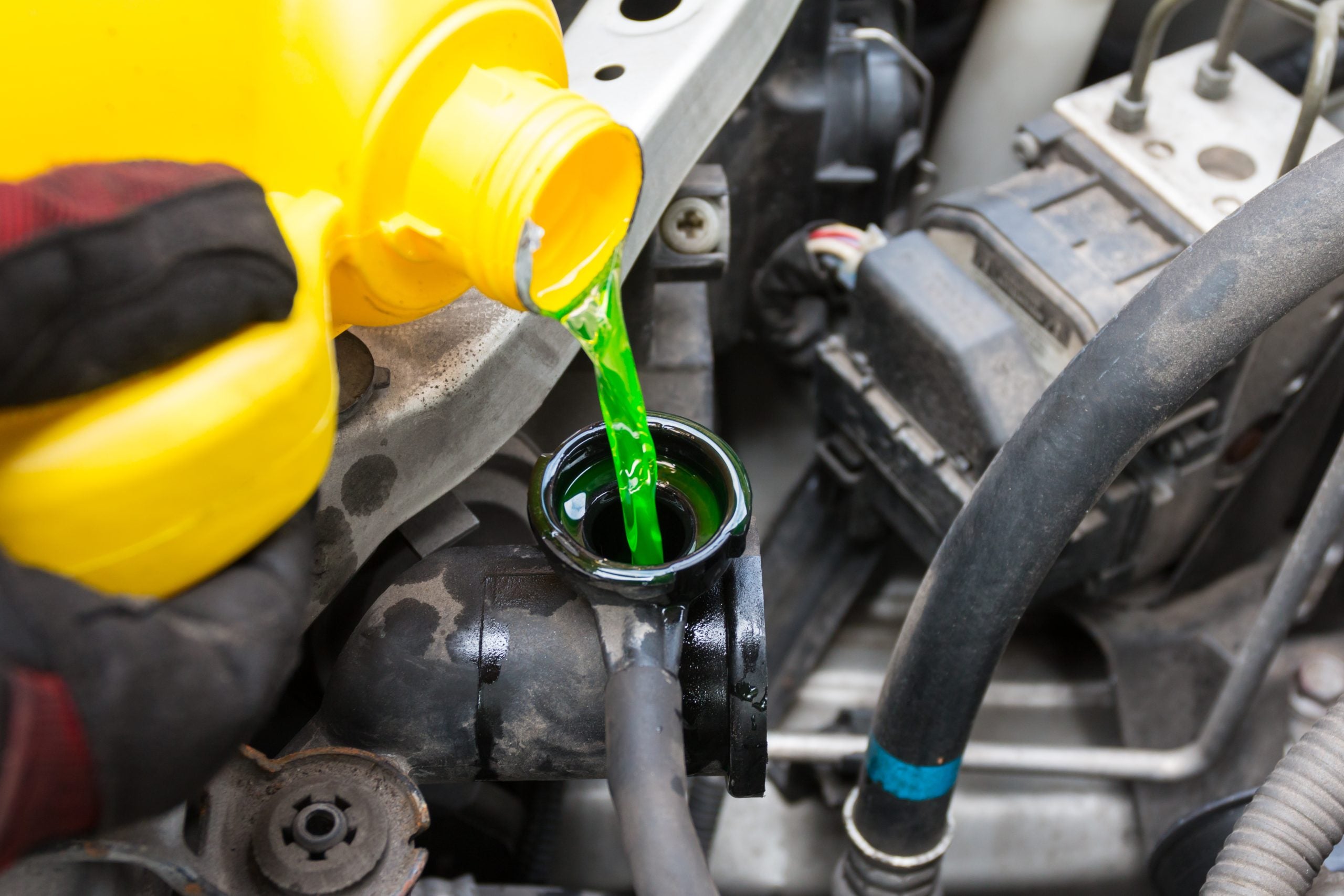
For older Jeeps, coolant changes may be needed every 30,000 miles, while newer models may feature extended life coolants that don't require flushing for up to 100,000 miles. Regular coolant replacement can prevent both overheating and coolant system damage from a buildup of scale and rust.

7. Take a Brake (Flush)

Changing your brake fluid every 24,000 miles, or as advised by your Jeep service advisor and owner's manual to suit your particular vehicle, is a crucial maintenance step. For both safety concerns and proper brake system upkeep, you need maintained braking performance every time your foot touches the brake pedal.

Contact Bill Snethkamp CDJR today for more information! Our highly qualified technicians can help with your Jeep's maintenance and service needs, whether your vehicle is new or pre-owned. We can also order and provide any needed parts for your year and model of Jeep. We've been family-owned and operated since 1926 and give every customer "Motor City" top-notch service, so we hope to see you soon!
Posted in:

Related Posts

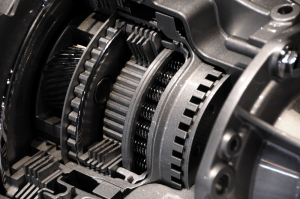
engine transmission for jeep

Does Your Jeep or Chrysler Vehicle Need a Transmission Repair?

Knowing when you need a transmission repair can be tough. The signs aren't always obviously linked to transmission trouble. However, you should visit your Chrysler and Jeep dealer when the time for your repair comes. Your Jeep and Chrysler dealer will be happy to take care of any of the problems that have arisen due to a faulty transmission. more 4 Signs You Need a Transmission Repair ASAP From Your Jeep and Chrysler Dealer 1. You Can't Switch Gears Your vehicle might struggle or refuse to change gears when you have transmission trouble. This is one of the most dangerous issues to have on the road, but it's not actually a difficult issue to fix. Most of the time, this issue is caused by low transmission fluid. The issue may occasionally be caused by incorrect transmission fluid used in your vehicle, although that's only likely to happen if you've taken your dealer to an unreputable dealership in the recent past. Taking your vehicle to us will ensure that the right fluid is used in your vehicle 100% of the time. 2. Your Gears Keep Slipping Here's another of the most dangerous issues you could have while driving. If your gears keep slipping, then it's most likely a problem with your transmission, and you need to get a tow truck to bring you into us as soon you can. 3. You Have a Fluid Leak Transmission fluid smells sweet and is red in color. If you spot a puddle of this near your vehicle, then you know it's time to pay us a visit. You'll also notice a leak if your fluid level appears to be dropping faster than normal. You should check your fluid levels regularly. This will give you an idea of how quickly the fluid levels usually drop. Knowing how fast they usually drop will help you realize when one of the levels is dropping faster than it normally does. That's a sure way to catch a leak in its early days, and you can get it fixed before you lose too much of the fluid. 4. Noisy Neutral New noises in neutral indicate that you most likely have a problem with your transmission. This noise can indicate an array of issues, so you need to get to us as fast as possible. This could be an issue that requires urgent attention, and you won't know the extent of the problem until you get here. You should always visit the dealer when your vehicle is making new noises, as it's pretty much as it's essentially never a sign of anything good. Why You Should Visit Your Chrysler and Jeep Dealer for Your Repair Visiting the dealer for your repair is highly beneficial to you. Here's what you're getting if you come to the dealer for your repair: Factory-trained expert Jeep and Chrysler technicians Quick service Amenities if you need to stay with us while we complete your repair The best customer service in the industry Access to the Jeep and Chrysler parts that we have on hand (if needed) Come see us at Bill Snethkamp Chrysler Dodge Jeep Ram to get your repair when you need it. Call us at 313-771-2553 to let us know when you need to come in.

Coolant being poured into a vehicle

Scheduled Maintenance: Keeping Your Chrysler in Top Shape

Image via Bill Snethkamp CDJR. All auto components wear out in time, and your Chrysler has a maintenance schedule to ensure they're replaced before they fail. This prevents worn parts from reducing vehicle performance and potentially causing damage. As your Chrysler dealer, we want to tell you about a few examples of Chrysler maintenance that will keep your vehicle in top shape. more Regular Tire Rotations Tires are made from high-quality rubber and have reinforced tread to withstand the friction produced by driving. They also suffer additional wear and tear due to their position on your vehicle. Each tire position causes a different wear pattern due to weight distribution and wheel alignment. Regular tire rotations can reduce this type of damage. A tire rotation involves moving each tire to a different position. The positions the tires move to depend on your drivetrain. An FWD concentrates most of the weight in the front, causing your front tires to wear faster, while the reverse is true on an RWD. Shifting your tires to new positions allows them to wear down relatively evenly, extending their lifespan so you can more easily plan for their eventual replacement. Fluid Checks and Replacement Your vehicle contains numerous fluids. Each fluid performs a specific role, from keeping your engine clean and rust-free to enabling you to turn the steering wheel more easily. Some fluids, like oil, can be consumed over time, and all fluids gradually degrade and lose effectiveness. Less effective fluids can increase wear and tear on the components they service. The most important fluids in your vehicle are brake fluid, engine oil, transmission fluid, coolant, and power steering fluid. Regular fluid checks test the fluids to ensure they're in good condition and replace them if necessary. Some fluids, like oil and transmission fluid, have associated filters, and we'll replace the filters when the fluid is replaced so it will flow smoothly and cleanly. Air Filter Replacement Your engine requires vast amounts of air, as air is needed to mix with fuel to create combustion. Air enters through the radiator grille and passes into the air filter. This concertina-shaped device captures dust, dirt, and other debris so only clean air enters the engine. This is important as dirt and debris can damage sensitive engine components. In time, the filter will become clogged with dirt, restricting airflow to the engine. If your engine doesn't receive enough air, the air-fuel mix in the engine will become fuel-rich. A fuel-rich engine uses more fuel, damages the spark plugs and ignition coils, and can cause misfiring or stalling. Regular air filter replacement prevents these problems. If you'd like to know more about scheduled maintenance or book your next service, contact us today at Bill Snethkamp CDJR in Highland Park, MI.

A man changing tires underneath a vehicle

Jeep Brake Service: Ensure Safety On and Off the Road

Image via Bill Snethkamp CDJR. A Jeep service is very different from visiting a mechanic. Our technicians are Jeep-trained repair experts, and we only use Jeep-approved replacement parts to provide the highest standard of repair. High quality and expertise are important for any repair, and even more so for a crucial system like your brakes. We'd like you to know a few signs you may need to visit us for brake service. more Brake Fluid Leak Brake fluid provides the hydraulic power that allows the braking system to work. When you hit the brakes, pressurized brake fluid is forced through the hoses to the calipers. The fluid forces the pins out of the calipers, causing them to clamp against the spinning rotors. Each caliper houses a brake pad that generates friction against the rotor, and this friction stops your wheels. Unlike most other fluids, leaking brake fluid can be difficult to spot. It's thin, yellowish, and resembles cooking oil. While you might not spot a leak, you'll feel fluid loss as the brake pedal must be pushed almost to the floor. The lack of fluid increases your stopping distance as your brakes take longer to engage. Our experts will trace and repair a leak, then refill the system with fresh fluid. Screeching Noises As we saw above, brake pads are a vital part of your braking system. Each pad has a 1/2" thick rough covering that reacts with the smooth rotor to produce friction. The pad material slowly wears off, leading to a slight decrease in braking speed due to the reduced friction. Once a pad drops to 1/4" after 25,000 to 65,000 miles, depending on your model and usage, the pad will need replacement. The pad manufacturers install a warning inside the pads to alert you that it's time to replace them. A metal spike is buried inside the material and becomes visible when the pad wears out. The spike will scratch against the rotor when you brake and produce an annoying high-pitched screech. We can replace worn pads in minutes, and your brakes will work effectively and quietly again. Vibrations When Braking If you brake and feel vibrations through the pedal, you may have one or more damaged rotors. Braking generates heat, which can liquify some of the brake pad's adhesive. The adhesive will spread across the rotor and quickly dry due to the intense heat. As time passes, the dried adhesive will produce an irregular rotor surface. When a pad grabs the irregular surface, it produces vibrations. We can fix this by cleaning the dried adhesive or resurfacing the rotor to turn it smooth and flat again. If you have a brake problem, contact us today at Bill Snethkamp CDJR in Highland Park, MI.