



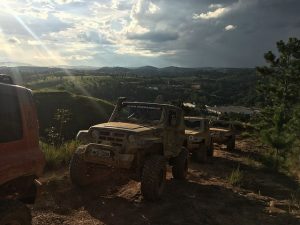
 If you’ve never tried off-roading before, you’re missing out. It’s without a doubt one of the best ways to go off the beaten path and appreciate what Mother Nature and your vehicle can do. It’s also really fun. Before you take off on your first off-roading adventure, keep these three tips in mind.
-
Understand the Terrain
Knowing what kind of terrain you’re going over while off-roading is important because you’ll need different tools and a different driving approach. The best way to get to know your terrain is to go over it just like professional race drivers do.
Pay attention to the changes in the trail. This allows you to anticipate what’s coming and adjust accordingly. On the horizon, you might see a trail go to one side or drop off completely. This might mean going down a hill or over an awkward patch of road. So, you have to find your line and figure out which rocks to put your tires on.
-
Bring the Right Gear
Always be prepared by bringing the appropriate recovery gear for your off-roading adventure. What are you going to do if your tires get stuck in the mud and you can’t get them out? You can try small fixes like putting rugged floor mats underneath the tires. If those don’t do the trick, then you might need a 2-inch wide recovery strap to attach to the frame of the vehicle or a frame-mounted tow hook.
In the event that you’re by yourself and have no one to pull you, consider bringing an electric winch with you that’s rated for your vehicle. To cover all of your recovery needs, look into getting a recovery kit that has everything you require to get you home safely before it gets dark.
-
Pay Attention to Tire Pressure
Lowering your tire pressure actually helps you gain more traction in almost any terrain. Once you lower the pressure, the tire tread and the wall mold around trail obstacles, and your vehicle has more grip in its tread while going over larger rocks. If you are riding over sand or snow, lower tire pressure allows the tire to expand so that you can ride over the terrain. This prevents the tires from sinking into sand or snow and getting stuck.
Higher tire pressure also helps in certain situations. It keeps tires from puncturing, failing because of heat, or having sidewall damage like when you go through a rocky desert.
Use caution, though. The lower the tire pressure is, the more you risk popping off a tire bead and getting a flat tire or having little to no ground clearance. If you need higher pressure, have an onboard air compressor and an accurate gauge ready in case the trail doesn’t have the right equipment on-site.
Going on your first off-roading adventure is thrilling. As long as you prepare beforehand and stay aware of your surroundings, you and your vehicle will have many trails to climb together. Visit Bill Snethkamp CDJR’s service department to get it in peak condition before hitting the trail.
https://www.flickr.com/photos/artvlive/38888064852/sizes/l
Image via Flickr by Bruno Battistini
Connect with us


