





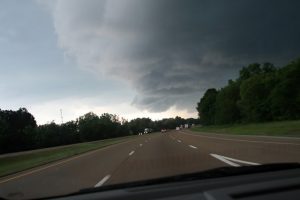
 The holiday season is almost here and it’s the time of year when families reunite with members gathered from all over the country. However, in many areas, that also means bad weather is here again and won’t leave until spring of next year. If you need to take long drives in the next few months, it’s essential that you prepare for all the rain, snow, wind, sleet, or hail that Mother Nature may throw at you. Here are some tips on how to do that as safely as possible.
Inspect your Car
It’s not exactly a driving technique, but it is the essential first step before going on a drive in bad weather. Ideally, the car should be inspected at a garage, but if your time is limited you can do that yourself. Lights and tires are the first items that need to be inspected, so make sure all tires are inflated and all the car’s lights work. Also, if the weather is cold, snow tires are essential. Even on a dry road, once the temperature drops below 45, snow tires do a better job than regular tires because they stay soft.
Other things you need to check are fluid levels, like gas, antifreeze, and oil. If you don’t remember the last time you had your oil changed, it would be a good idea to do that before the trip, just to be sure you won’t have any bad surprises along the way.
Plan your Drive
A good way to increase your chances of a safe journey is planning your drive beforehand. Often around Thanksgiving or Christmas, the roads are filled with people driving to get home to their families, so checking a GPS app for the best time of day to take the drive is a useful first step. Less traffic usually means fewer things that can go wrong, not to mention a faster trip.
Keep an Appropriate Distance from Other Cars
Bad weather conditions can sneak up on inexperienced drivers who don’t change the way they drive based on the road conditions. The first thing any driver must remember when driving through bad weather is that braking distances are longer than on a dry road. Also, it’s not enough to keep a safe distance from the car in front; a driver must constantly be aware of cars behind to make sure they keep a safe distance.
Don’t Drive Through Intense Storms
If rain, snow, sleet, or hail starts to fall up to a point where visibility is gravely affected, it’s best to park your car and wait for it to mellow down. Avoid parking next to trees or any other kind of tall object, like billboards or telephone poles, as strong winds can topple them.
Unless you can quickly get inside a building, staying in your car during lightning storms is crucial, because the car’s metal body protects passengers from being hit by lightning. Once the storm mellows out a bit and you have decent visibility, you can get back on the move.
Keep these tips in mind when you’re on the road over the holidays, or anytime stormy weather strikes. And whenever a storm seems like more than you can handle, remember – it’s always better to be safe than sorry.
Image via Flickr by theogeo Used under CC BY 2.0
Connect with us


