




Image via Bill Snethkamp CDJR.
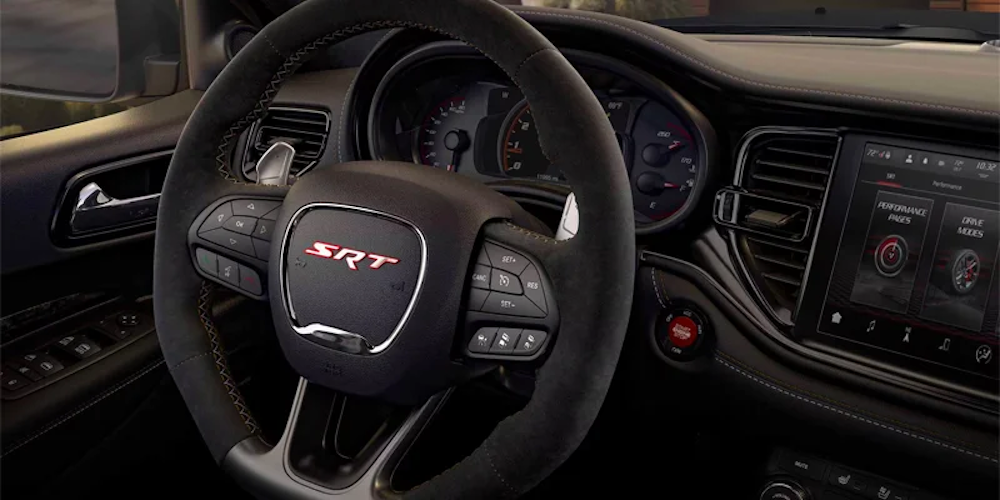
The check engine light on your dashboard features a line drawing of an engine and is the most important warning light in your Dodge. This light only comes on if a problem is detected in your engine. As your Dodge dealership, we want to tell you some reasons this light can come on and why you need to visit us ASAP so we can fix the problem.
Clogged Catalytic Converter
The catalytic converter is part of the exhaust system and changes the dangerous, toxic combustion byproducts into less harmful gases and water. The converter does this using a combination of intense heat, chemical reactions, and crushing pressure. Once the conversion is complete, the new gases exit the exhaust through the tailpipe.
The conversion process produces carbon as a byproduct, and this carbon can build up and eventually block the exit from the converter. If this happens, gases can’t leave the exhaust, and they build up in the engine. These gases increase pressure in the engine and can force it to shut down. Our technicians fix this problem by removing the converter, clearing the blockage, and reinstalling it.
Failing Battery
When you push the start button, your battery sends a powerful electrical charge to the starter. This charge powers the starter, allowing it to crank the engine and begin the combustion process. A healthy battery ensures your Dodge’s engine will start in seconds. As time passes, the battery gradually loses its electricity storage capability, and starting will become difficult.
The chemicals inside the battery slowly break down due to the chemical reactions that enable it to store and supply electricity. As storage capacity drops, starting the engine will take longer than necessary. The battery warning light will light up to warn of a battery issue, and the engine light will also illuminate. We’ll test your battery and replace it if it’s failing.
Loose Fuel Cap
The fuel cap seals the fuel system, preventing air from entering and helping maintain system pressure. Pressure is important, as it pushes fuel through the system to the injectors, where it’s sprayed into the intake manifold to mix with air and be used to produce combustion. The cap also prevents gas from escaping, which increases airborne pollution and decreases fuel economy.
In time, the seal on the fuel cap can get worn or damaged, and gas will escape. The damaged seal might not be noticeable, but you’ll usually detect a gas smell from the cap even if you haven’t been to the pump. Sensors will detect the loss of gas and warn the computer, and the warning light will illuminate. We’ll examine the cap and repair or replace it to fix this issue.
Engine problems worsen if they’re not fixed quickly. Contact us today at Bill Snethkamp CDJR in Highland Park, MI.
Connect with us


Recent Blog Entries
- Why the 2026 Chrysler Pacifica Continues to Set the Family Minivan Standard
- 2026 RAM 1500 Buyer’s Guide: Choosing the Right Truck for Work and Everyday Life
- 2026 Dodge Charger Buyer’s Guide: A New Era for American Performance
- 2026 Jeep Grand Wagoneer Buyer’s Guide: Luxury, Capability, and Space in One SUV
- Discover the 2026 Chrysler Pacifica